
KEY POINTS
- Billie Eilish Grammy speech backlash intensified after comments on US immigration policy.
- Finneas defended his sister as criticism spread rapidly online.
- The moment highlights growing political expression at major entertainment events.
LOS ANGELES — Musician Finneas publicly criticized online backlash against Billie Eilish after her politically charged acceptance speech at the Grammy Awards.
Where she condemned US immigration enforcement under President Donald Trump and urged continued protest during the live broadcast Sunday night in Los Angeles.
The Billie Eilish Grammy speech backlash unfolded after the artist used her Song of the Year acceptance remarks to denounce immigration enforcement practices, aligning herself with broader protest movements visible throughout the ceremony.
The response illustrates how high-profile award shows have become flashpoints for political discourse with global reach.
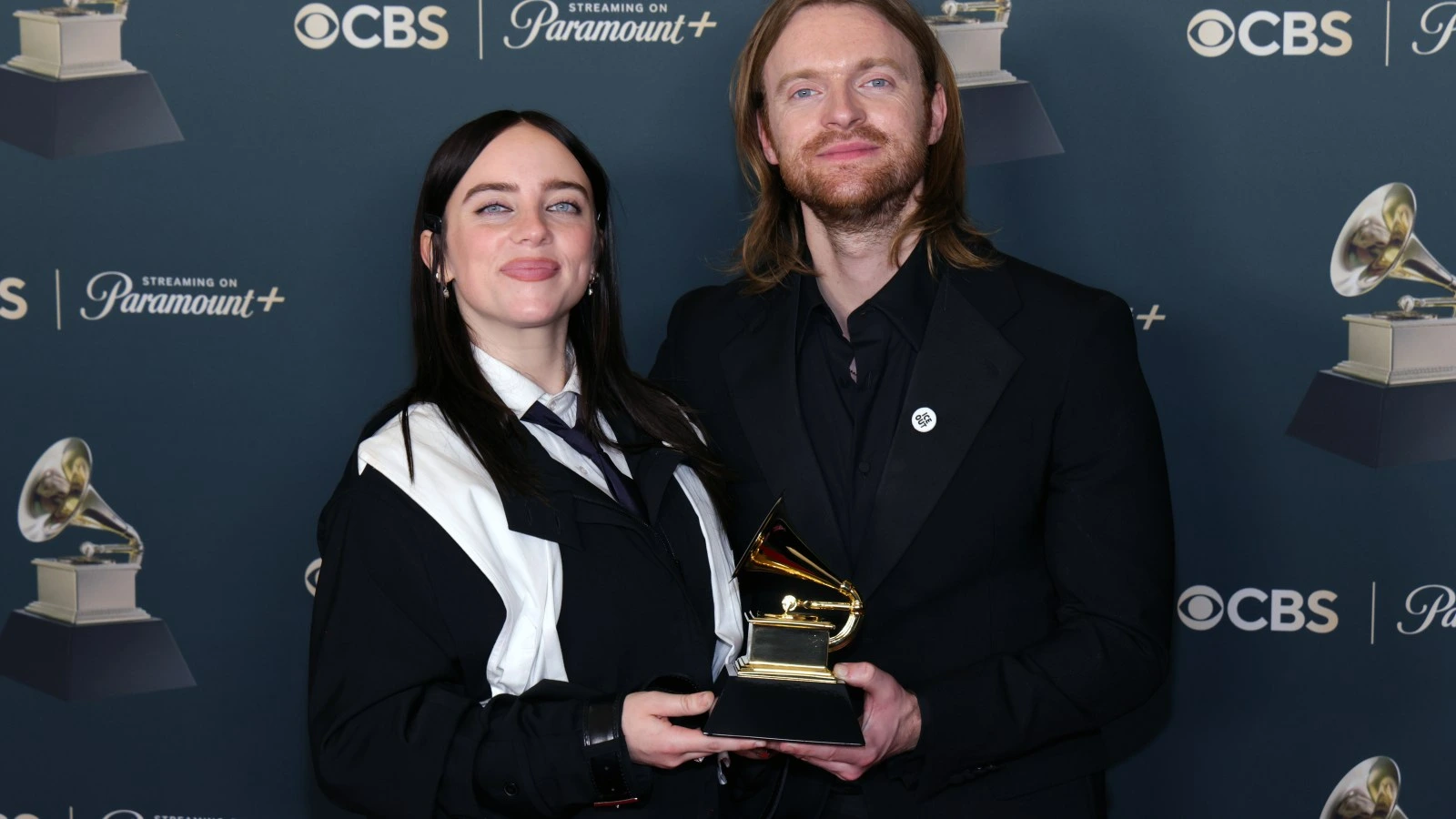
Eilish, twenty four, won for her two thousand twenty four track “Wildflower” and appeared wearing an “ICE OUT” pin alongside other artists protesting Immigration and Customs Enforcement.
Her statement, “no one is illegal on stolen land,” echoed language commonly used by immigration activists.
Finneas, twenty eight, later addressed critics on the social media platform Threads, suggesting that outrage came primarily from older, powerful men.
One post referenced the so-called Epstein files, without naming individuals, adding fuel to online debate. Political statements at the Grammys are not unprecedented.
Artists including Kendrick Lamar and Taylor Swift have previously addressed racial justice and voting rights, reflecting a broader shift toward advocacy within mainstream entertainment.
“The Grammys now function as a global political stage,” said Neal Katyal, a professor of law at Georgetown University and former acting US solicitor general. “Artists understand the audience extends far beyond the room.”
Sarah Pierce, policy analyst at the Migration Policy Institute, said immigration rhetoric at cultural events often mirrors public frustration. “These moments amplify language already circulating within activist communities,” she said.
Finneas wrote that the Billie Eilish Grammy speech backlash reflected discomfort with younger voices. Richard Epstein, professor of law at New York University School of Law, said public figures should expect scrutiny.
“Political speech invites political response,” he said. Max Raskin, adjunct professor of law at NYU, noted social platforms accelerate polarization.
Award organizers have not indicated plans to restrict political speech. Immigration policy debates are expected to remain visible as election season approaches.
The Billie Eilish Grammy speech backlash underscores how entertainment platforms increasingly intersect with political conflict, reinforcing the Grammys’ evolving role in global public discourse.
NOTE! This article was generated with the support of AI and compiled by professionals from multiple reliable sources, including official statements, press releases, and verified media coverage. For more information, please see our T&C.


