
SUMMARY
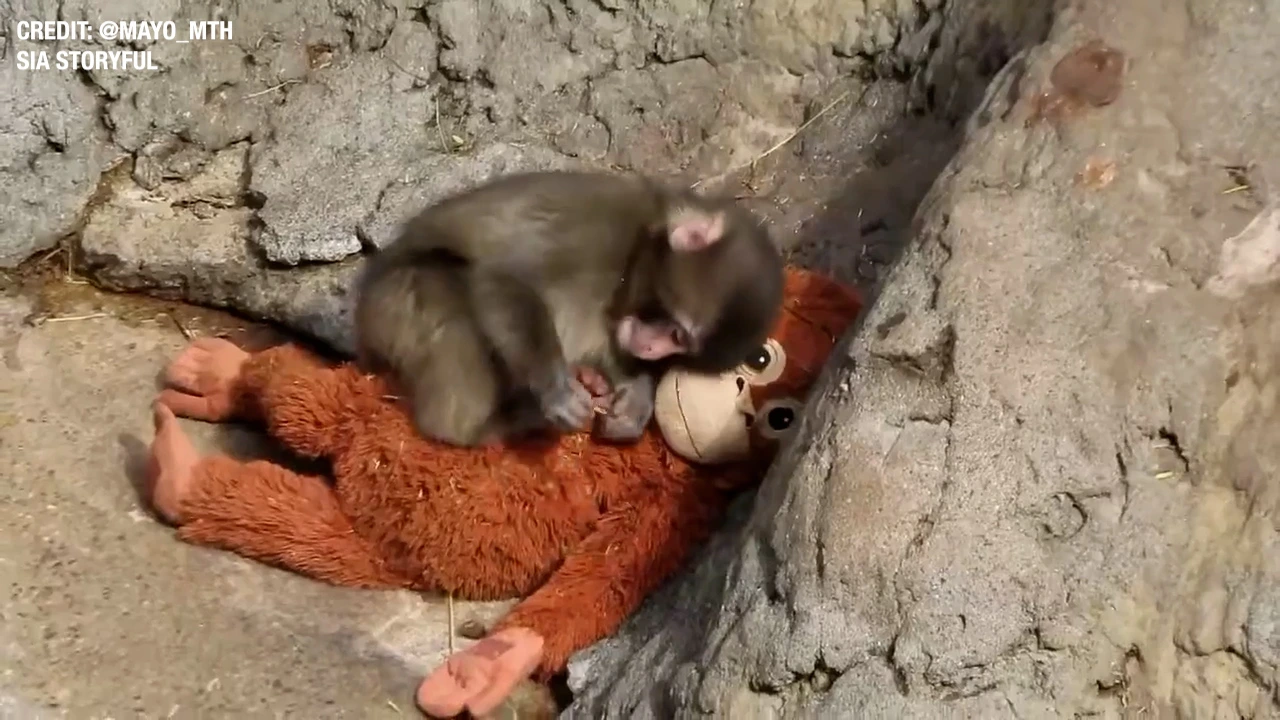
- The abandoned baby monkey has drawn international attention for clinging to a stuffed toy for comfort.
- Zoo officials say the toy has helped Punch socialize and prepare to rejoin its troop.
- Videos shared under #HangInTherePunch have amplified awareness about primate development in captivity.
ICHIKAWA, Japan — A seven-month-old Japanese macaque named Punch, abandoned by its mother shortly after birth, has become an unexpected global sensation after forming a bond with a stuffed orangutan toy at Ichikawa City Zoo near Tokyo, zoo officials said Friday.
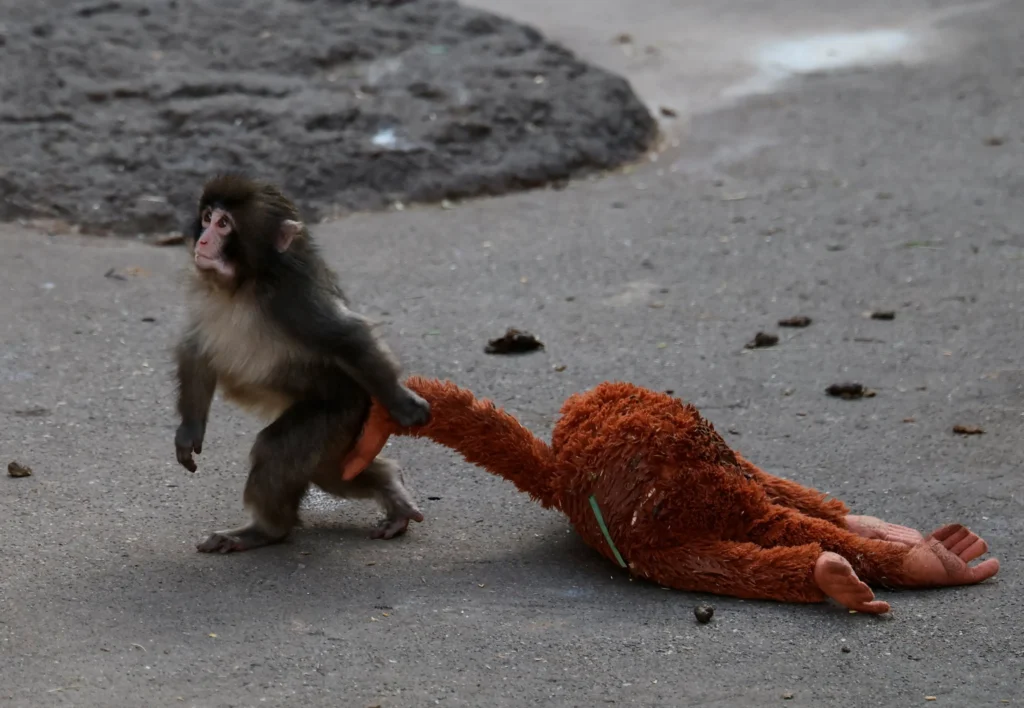
Punch’s story has resonated far beyond Japan, with viral videos showing the small macaque seeking comfort in a plush toy during tense encounters with older monkeys.
The zoo says the unusual attachment reflects adaptive behavior often seen in primates raised without maternal care. Japanese macaques, native to Japan, are known for strong maternal bonds.
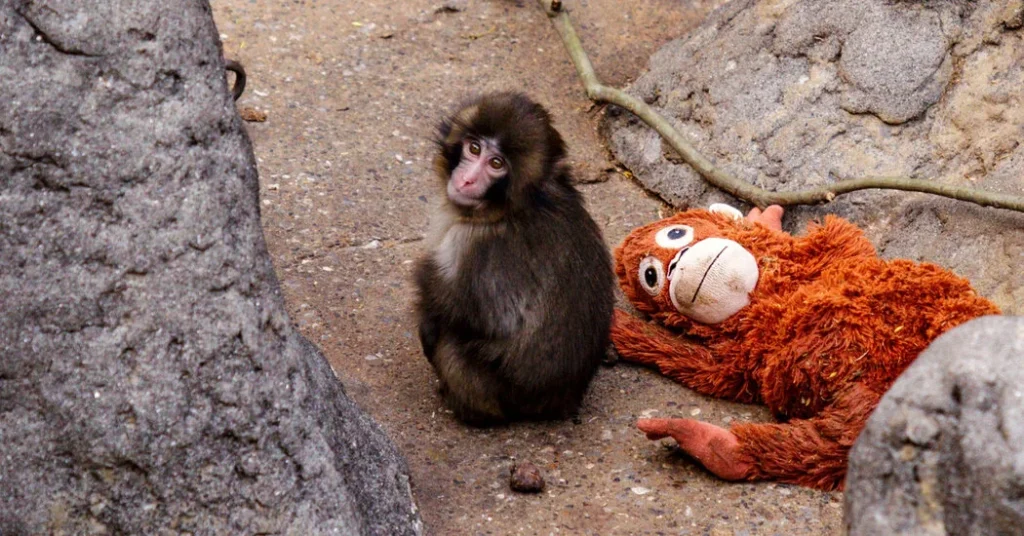
In the wild, infants cling to their mothers for warmth, feeding and protection during their first months of life. Without that support, young macaques face social and developmental challenges.
According to Ichikawa City Zoo officials, Punch was separated from its mother soon after birth and raised in a controlled environment.
Caretakers introduced a stuffed orangutan toy, manufactured by IKEA, as an enrichment object. The toy quickly became a constant companion.
Recent footage showed an adult macaque dragging Punch across the enclosure. After breaking free, Punch ran toward the toy and held it in front of its body.
Zoo representatives said no serious aggression occurred and described the interaction as part of normal troop hierarchy behavior.
Hiromi Tanaka, a senior zookeeper at Ichikawa City Zoo, said the toy provided tactile comfort and may have aided social confidence.
“It was easy for him to grab. Maybe he also liked that it looked like a monkey,” Tanaka said.
Kazuo Mori, professor emeritus of primatology at Kyoto University, said surrogate objects can reduce stress in primates deprived of maternal contact.
“In controlled environments, transitional objects may help regulate anxiety and encourage exploratory behavior,” Mori said. He added that gradual reintroduction to a troop is critical to long term integration.
Globally, zoos have increasingly adopted enrichment strategies to simulate natural stimuli, reflecting broader standards in animal welfare and behavioral science.
Sayaka Takimoto, 32, said she drove two hours with her husband to see Punch after following the story online. “We rarely come to a zoo, but we wanted to see cute Punch,” she said.
Another visitor, Yoko, who declined to provide her surname, said she studied photographs beforehand to recognize the monkey. “I’m relieved to see he’s making friends,” she said.
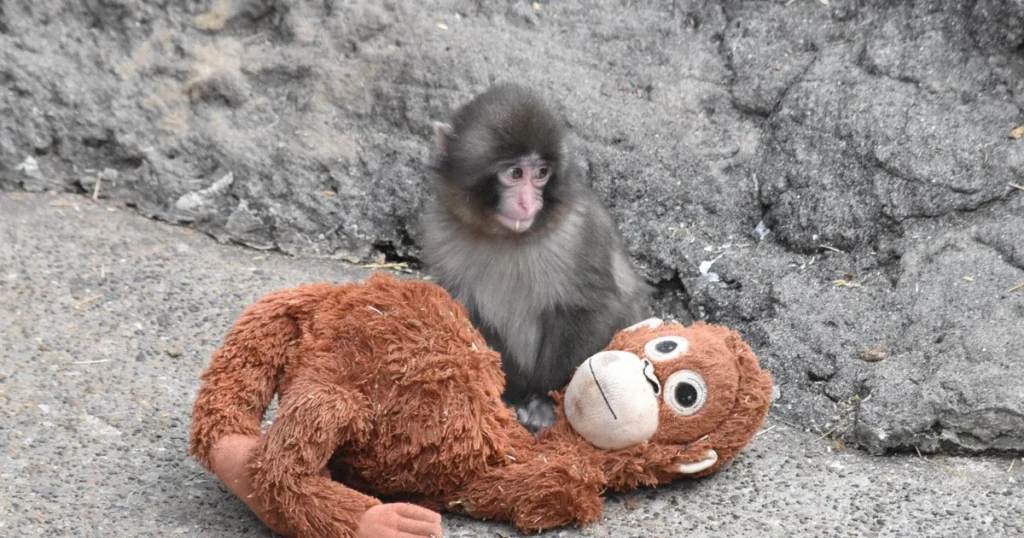
Zoo officials reported earlier this month that Punch had begun “playfully poking others and getting scolded,” describing the behavior as a normal part of social learning.
Punch began structured training last month to rejoin the troop. Caretakers said the process involves supervised exposure and monitoring for signs of stress or aggression. The zoo has encouraged visitors to observe quietly to minimize disruption.
While the abandoned baby monkey’s attachment to a stuffed toy has drawn global attention, zoo officials emphasize that the focus remains on healthy development and integration.
Punch’s case highlights evolving approaches to primate care and the role of enrichment in supporting vulnerable animals.
NOTE! This article was generated with the support of AI and compiled by professionals from multiple reliable sources, including official statements, press releases, and verified media coverage. For more information, please see our T&C.


