
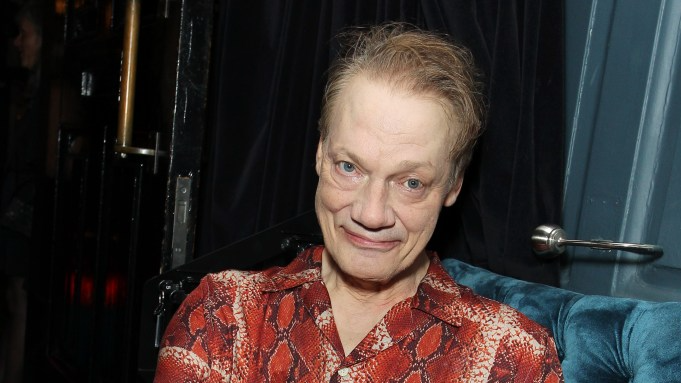
British music producer and musician William Orbit, whose production credits included Madonna, Blur, All Saints and U2, has died at the age of 69.
His family and friends said he died at home on July 23, 2026, in a statement posted to Instagram. No cause of death was disclosed.
The statement said Orbit would be deeply missed by his family, friends and people whose lives he touched through music, friendship and kindness. His relatives and close friends also asked for privacy during the period following his death.
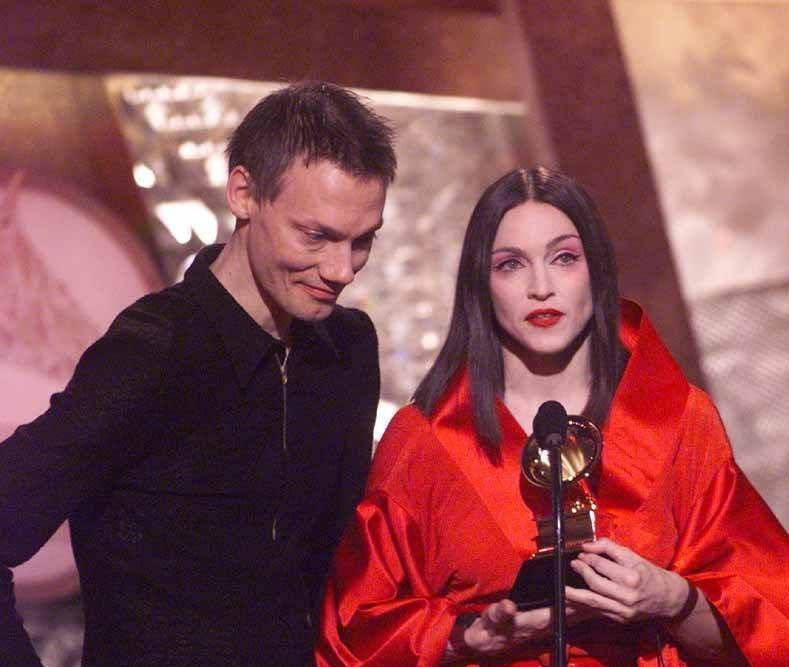
Early Life and Musical Beginnings
Born William Mark Wainwright on Dec. 15, 1956, in London’s East End, Orbit developed an interest in music during his teenage years.
He learned guitar and eventually performed in London and Paris before moving toward electronic and ambient music. Orbit became part of the trio Torch Song alongside Grant Gilbert and Laurie Mayer.
After the group signed with IRS Records, he expanded his role from performer into producer, while also working on music connected to film, including the soundtrack to the hockey movie Youngblood.
Orbit’s career reached a major turning point through his work with Madonna.
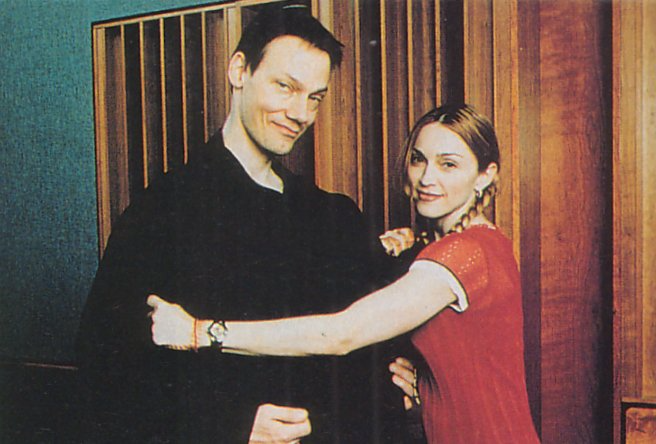
He produced her 1998 album Ray of Light, helping transform the singer’s sound through electronic dance music, ambient techno and trip-hop influences.
The album became one of Madonna’s most successful releases and earned three Grammy Awards. Its songs included “Frozen,” “The Power of Good-Bye” and the title track, establishing Orbit as a highly sought after producer within mainstream pop music.
The partnership did not end with Ray of Light. Orbit later worked with Madonna on “Beautiful Stranger,” a song connected to the second Austin Powers film, The Spy Who Shagged Me.
The track earned another Grammy and became another notable collaboration between the producer and singer.
Orbit also contributed to Madonna’s 2000 album Music. More than a decade later, the pair reunited for Madonna’s MDNA, on which Orbit produced six tracks.
Blur’s ‘13’ and a New Direction
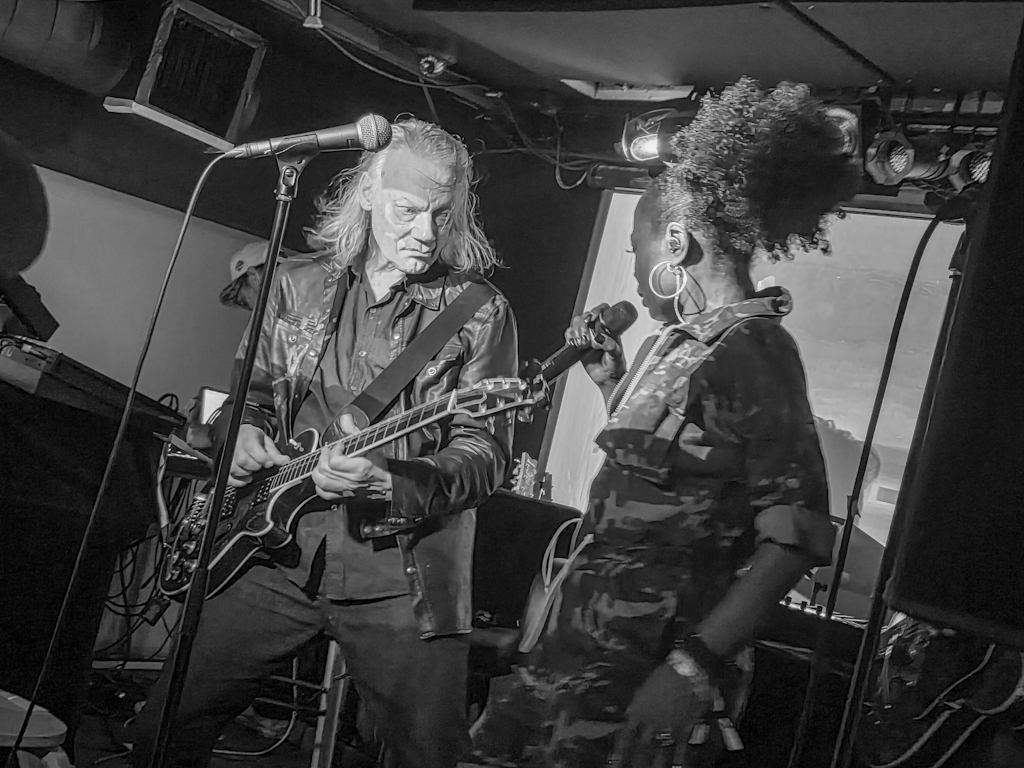
After the success of Ray of Light, Orbit worked with British rock band Blur on their 1999 album 13.
The record represented a darker lyrical direction for the group and produced songs such as “Tender,” “Coffee & TV” and “No Distance Left to Run.”
Orbit later returned to Blur’s music for “Sweet Song,” which appeared on the band’s 2003 album Think Tank.
His involvement demonstrated his ability to work beyond electronic pop and contribute to alternative and Britpop-oriented projects.
Orbit also became closely associated with All Saints around the beginning of the 2000s. He produced “Pure Shores” and “Black Coffee,” two songs that became major chart successes for the British girl group.
“Pure Shores” was co-written by Orbit and All Saints member Shaznay Lewis for The Beach, the 2000 adventure film starring Leonardo DiCaprio.
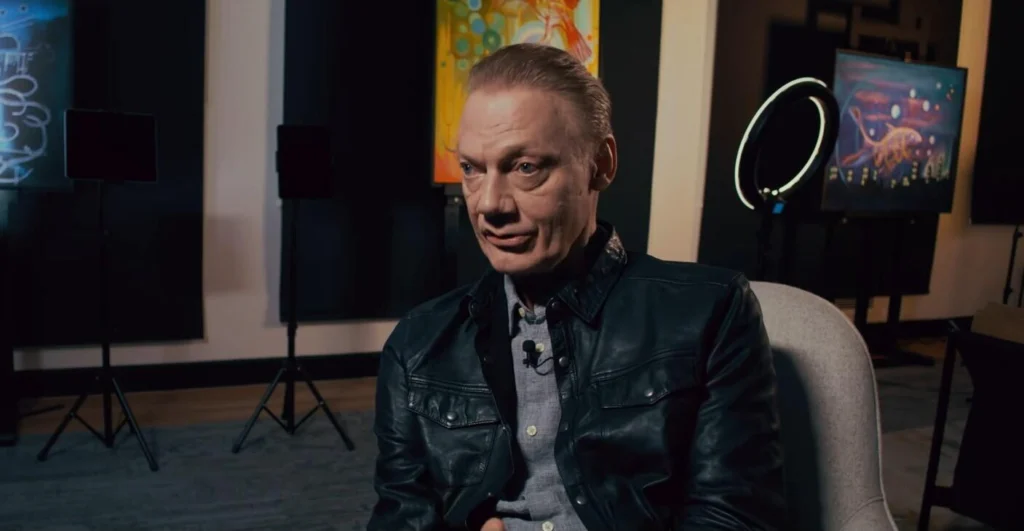
Orbit also worked with U2, producing “Electrical Storm” for the group’s The Best of 1990–2000 compilation.
Orbit was not solely a producer for other artists. He released 12 solo studio albums, most of them rooted in electronic music, while also remaining involved in groups including Bassomatic and Torch Song.
His most recognized solo projects included an electronic interpretation of Samuel Barber’s “Adagio for Strings.”
The 1999 trance version involved Ferry Corsten, who later credited Orbit with having a significant influence on his career in electronic music.
Orbit’s production credits extended to a wide range of performers. He worked with Britney Spears, Robbie Williams, Chris Brown, Pink and No Doubt, demonstrating the breadth of his career across different areas of popular music.
His collaboration with Pink on “Feel Good Time” appeared on the Charlie’s Angels: Full Throttle soundtrack in 2003 and reached No. 3 in the UK. Orbit later worked with Britney Spears and will.i.am on the 2013 album Britney Jean.
In 2014, Orbit produced a version of Freddie Mercury’s solo song “There Must Be More to Life Than This.”
The recording featured archive vocals from Michael Jackson alongside Queen, connecting Orbit’s production work with material from two major figures in music history.
Orbit also received Grammy recognition for projects beyond Ray of Light. His solo album Pieces in a Modern Style received a nomination, while his work with Pink on “Feel Good Time” also earned Grammy recognition.
Tributes From Fellow Musicians
Several musicians who worked with Orbit or were influenced by his music shared tributes after his death.
Ferry Corsten remembered their collaboration on “Adagio for Strings,” while Mel C described working with Orbit on her 1999 debut solo album Northern Star as an honour.
Sonique, who worked with Orbit through Bassomatic, recalled him as one of the first people she worked with. Singer Katy B also remembered visiting Orbit’s studio and praised his warm and welcoming approach to working with artists.
Orbit’s career connected several strands of modern music, from ambient and electronic experimentation to mainstream pop, Britpop and film soundtracks.
His production work with Madonna, Blur and All Saints placed his sound on some of the most recognizable records and songs of the late 1990s and early 2000s.
His death marks the loss of a producer whose career extended across decades and genres.
Through his own recordings and his collaborations with major artists, Orbit left behind a body of work that continued to influence electronic and popular music.
How old was William Orbit when he died?
William Orbit was 69. His family and friends said he died at home on July 23, 2026.
What album did William Orbit produce for Madonna?
Orbit produced Madonna’s 1998 album Ray of Light, which incorporated electronic, ambient techno and trip-hop influences and won three Grammy Awards.
Which other artists worked with William Orbit?
His credits included Blur, All Saints, U2, Britney Spears, Pink, No Doubt, Robbie Williams, Chris Brown and Mel C, among others.


