
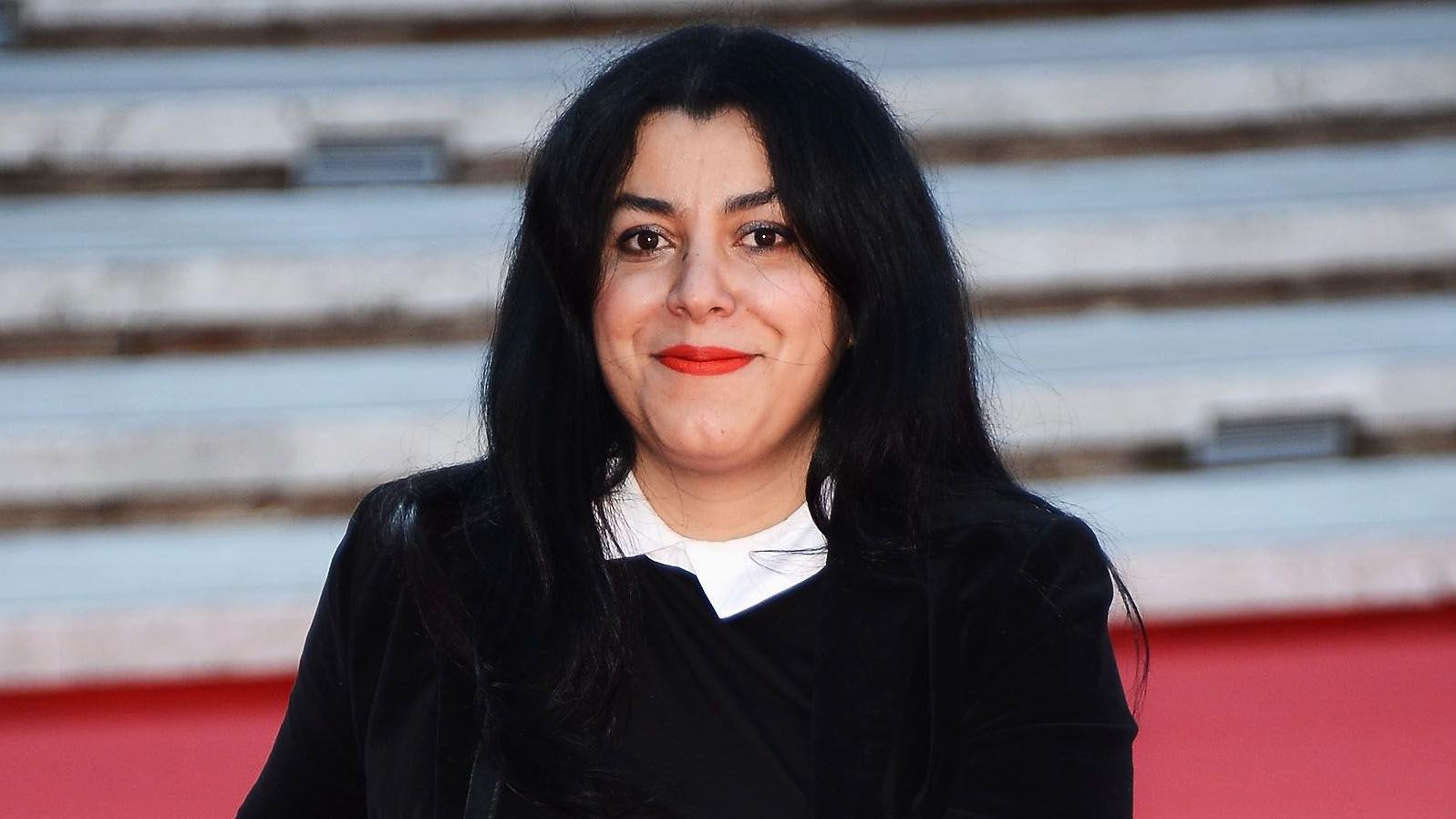
Marjane Satrapi, the French/Iranian author, filmmaker and activist best known for Persepolis, died at age 56 in France, the Elysee Palace confirmed Thursday, marking the loss of one of the most influential cultural voices on Iran’s modern history.
The death of Marjane Satrapi arrives as governments, universities and cultural organizations continue debating identity, exile and political dissent.
Her work remains widely taught across Europe, North America and the Middle East, giving the story significance beyond literary circles.
Born in Tehran in 1969, Satrapi experienced the aftermath of the 1979 Iranian Revolution before relocating to Europe. Her graphic memoir Persepolis debuted in 2000 and gained international acclaim.
The 2007 animated adaptation earned an Academy Award nomination, cementing her status as a global cultural figure. In 2025, she publicly declined France’s Legion d’Honneur, criticizing Paris’ policy approach toward Iran.
According to Azadeh Kian, professor of sociology at Université Paris Cité, Satrapi’s work created an accessible bridge between Western audiences and Iranian society.
Nayereh Tohidi, professor emerita at California State University, Northridge, said her narratives challenged simplistic portrayals of Iranian women while expanding global interest in graphic memoirs.
An underreported impact involves publishing economics. Following Persepolis, international publishers significantly expanded translated graphic nonfiction catalogs, influencing educational markets and cross cultural literature.
A representative for Studiocanal UK called Satrapi “a brilliant artist” whose themes of identity and resistance remain relevant. French cultural officials described her influence as enduring across generations.
Over the next six to 12 months, scholars, publishers and museums are expected to revisit Marjane Satrapi‘s contributions through retrospectives, academic conferences and renewed translations linked to discussions surrounding Iranian diaspora literature.
Marjane Satrapi leaves a body of work that continues shaping global conversations about revolution, exile, freedom of expression and cultural memory.
NOTE! This article was generated with the support of AI and compiled by professionals from multiple reliable sources, including official statements, press releases, and verified media coverage. For more information, please see our T&C.


