
SUMMARY
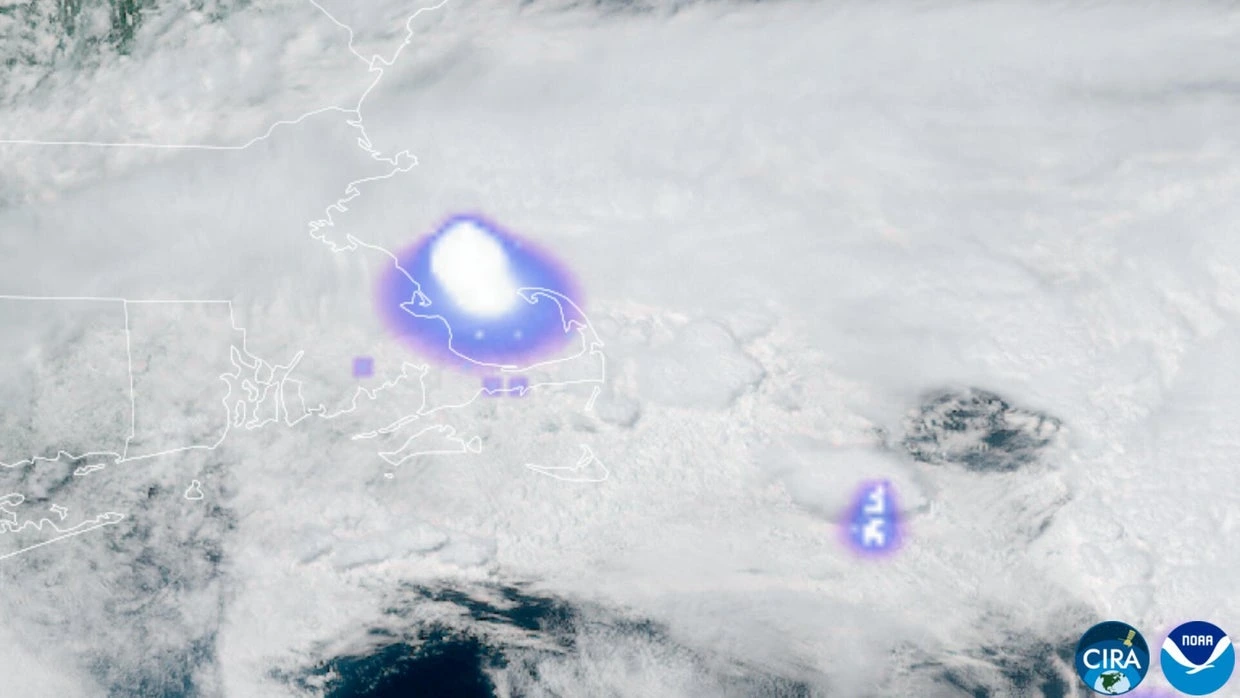
- Satellite detected atmospheric entry over South Shore no confirmed landing debris found
- Reports from Massachusetts Rhode Island confirmed boom heard across multiple coastal towns
- AMS explains meteors create pressure waves and sonic booms during high speed entry
Event highlights increasing value of satellite based near Earth object tracking for coastal emergency awareness in 2026
Entry occurred around 2:11 pm according to WBZ TV meteorologist Eric Fisher satellite data
NASA scientist Dr Karen Feldman and MIT physicist Dr Samuel Ortega note sonic booms result from atmospheric fragmentation
Meteors travel 25000 to 160000 miles per hour creating shockwaves when entering Earth atmosphere
Pressure waves form when atmospheric entry creates rapid vaporization producing audible sonic booms over wide regions
Witnesses in Ipswich and Rhode Island reported loud boom shaking windows and prompting emergency calls
Scientists expect continued detection improvements as US agencies expand meteor monitoring networks over next year
NASA USGS and AMS emphasize coordinated data sharing for improving planetary defense and public safety communication
NOTE! This article was generated with the support of AI and compiled by professionals from multiple reliable sources, including official statements, press releases, and verified media coverage. For more information, please see our T&C.


