
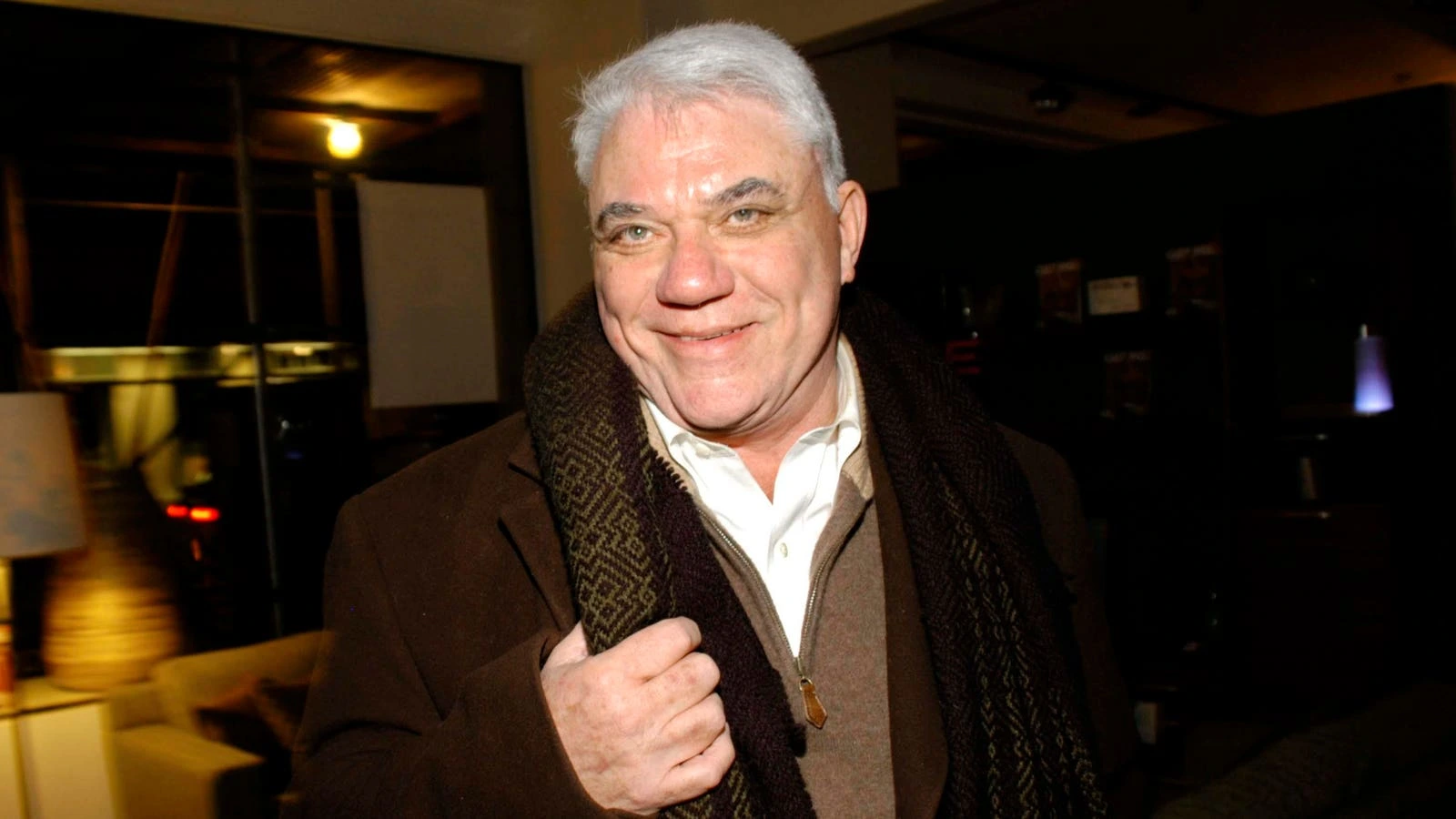
Rex Reed, the influential and controversial American film critic, died Tuesday at his Manhattan home after a short illness, ending a six decade career that shaped entertainment journalism and celebrity culture.
SUMMARY
- Rex Reed’s death closes a defining chapter in American film criticism and celebrity journalism.
- His reviews influenced studio marketing, awards campaigns and public perception of Hollywood stars.
- Media analysts say Reed’s confrontational style foreshadowed today’s polarized digital criticism culture.
The death of Rex Reed arrives as entertainment journalism faces shrinking newsroom budgets, declining print circulation and growing reliance on influencer driven reviews.
Reed represented a fading era when newspaper critics held measurable commercial power over studio releases and Oscar campaigns.
Publicist Sean Katz confirmed Reed’s death on behalf of longtime friend William Kapfer. Reed was eighty seven. Born in Fort Worth, Texas, in 1938, Reed rose during the magazine boom of the nineteen sixties.
After briefly working at 20th Century Fox, he transitioned into journalism, writing celebrity profiles and film criticism for publications including The New York Times, Vogue and The New York Observer.
Media historian Tom Rosenstiel, co-author of “The Elements of Journalism,” said Reed “helped transform critics into public personalities rather than anonymous reviewers.”
Rosenstiel noted that Reed’s television appearances expanded entertainment commentary beyond print audiences.
The career of Rex Reed also reflected Hollywood’s shifting tolerance for provocative commentary.
His remarks about actress Melissa McCarthy and Oscar winner Marlee Matlin drew industry backlash years before studios intensified sensitivity standards surrounding representation and body image.
According to UCLA’s annual Hollywood Diversity Report, public pressure campaigns increasingly influence casting, awards marketing and media partnerships.
Reed’s confrontational style, once rewarded with ratings and circulation, became commercially riskier in the streaming era.
Former Observer editor Peter Kaplan once described Rex Reed as “a critic who understood celebrity as performance.”
Actress Angela Lansbury had publicly praised Reed’s deep knowledge of classic cinema during prior interviews.
Over the next year, media analysts expect renewed debate over whether sharp edged criticism can survive advertiser pressure, audience fragmentation and algorithm driven entertainment coverage.
Reed’s career remains a case study in the commercial influence critics once held across global film culture.
NOTE! This article was generated with the support of AI and compiled by professionals from multiple reliable sources, including official statements, press releases, and verified media coverage. For more information, please see our T&C.


