
SUMMARY
- Trump replaces nominee amid bipartisan Senate resistance tied to credentials and vaccine policy scrutiny.
- Shift signals tighter confirmation calculus ahead of a contentious election year legislative calendar.
- Public health messaging consistency emerges as a central issue for global health observers.
The latest Trump surgeon general nomination arrives at a critical juncture for U.S. public health leadership, with vaccine policy debates and institutional trust shaping both domestic governance and international health coordination in March 2026.
The administration’s effort to fill the surgeon general role has faced repeated setbacks. Trump first withdrew Dr. Janette Nesheiwat’s nomination following scrutiny of academic credentials.
Dr. Casey Means, a Stanford educated physician turned wellness entrepreneur, then emerged as a politically aligned candidate linked to Health Secretary Robert F. Kennedy Jr.
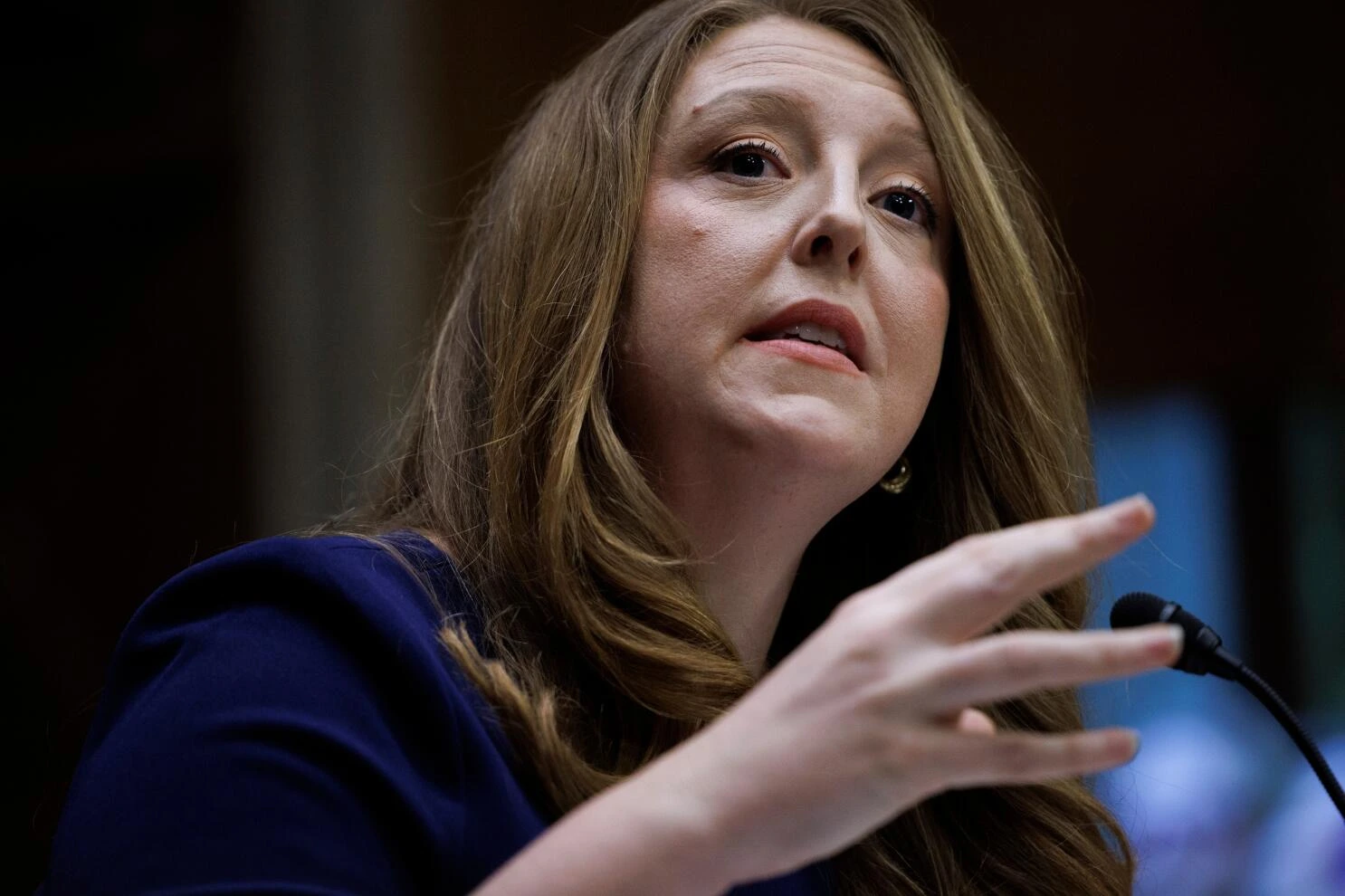
Her nomination stalled after a February confirmation hearing exposed bipartisan concerns over incomplete residency training, inactive licensure, and nuanced positions on vaccines.
Senators, including Bill Cassidy, a physician and Republican from Louisiana, pressed Means on federal immunization guidance, particularly hepatitis B recommendations for newborns.
Dr. Georges Benjamin, executive director of the American Public Health Association, said leadership credibility hinges on clinical experience and consistent messaging.
“The surgeon general must communicate evidence based guidance clearly during crises,” Benjamin noted, citing recent global outbreaks requiring coordinated responses.
Tom Inglesby, director of the Johns Hopkins Center for Health Security, emphasized geopolitical implications. “US health leadership influences international trust, especially through institutions like the World Health Organization,” Inglesby said.
He added that mixed vaccine messaging could complicate cross border health initiatives. The pivot to Dr. Nicole Saphier, a radiologist at Memorial Sloan Kettering Monmouth, reflects a recalibration.
Unlike Means, Saphier maintains active clinical credentials and has publicly supported evidence based medicine, while occasionally diverging from Trump’s messaging, including on acetaminophen use during pregnancy.
Dr. Lisa Cooper, a physician at Johns Hopkins Medicine, said frontline providers need clarity. “Confusion at the federal level trickles down quickly to patient care,” she stated.
Maria Torres, a public health nurse in Texas, described operational challenges. “We rely on consistent federal guidance. Mixed signals create hesitation among patients,” she said.
Sen. Susan Collins of Maine previously indicated reservations about Means, citing qualifications. “The surgeon general must command confidence across medical communities,” Collins noted in a public statement.
Over the next six to twelve months, the Trump surgeon general nomination process is expected to face continued scrutiny as Senate Republicans balance political alignment with professional qualifications.
Confirmation timelines may tighten due to the election cycle, reducing legislative bandwidth.
Public health policy debates, particularly around vaccines and chronic disease management, are likely to remain central.
Internationally, US credibility in health leadership could hinge on the appointee’s ability to deliver consistent, science based communication.
The evolving Trump surgeon general nomination underscores the intersection of politics, medical authority and global health influence, with long term implications for public trust, policy coherence and international collaboration in a volatile public health landscape.
NOTE! This article was generated with the support of AI and compiled by professionals from multiple reliable sources, including official statements, press releases, and verified media coverage. For more information, please see our T&C.


