
SUMMARY
- Tsunami waves reached 80 cm, prompting evacuations but no immediate casualties reported.
- Government warns short term megaquake probability has risen tenfold to around one percent.
- Infrastructure disruptions highlight ongoing vulnerability of Japan’s Pacific coastal economy.
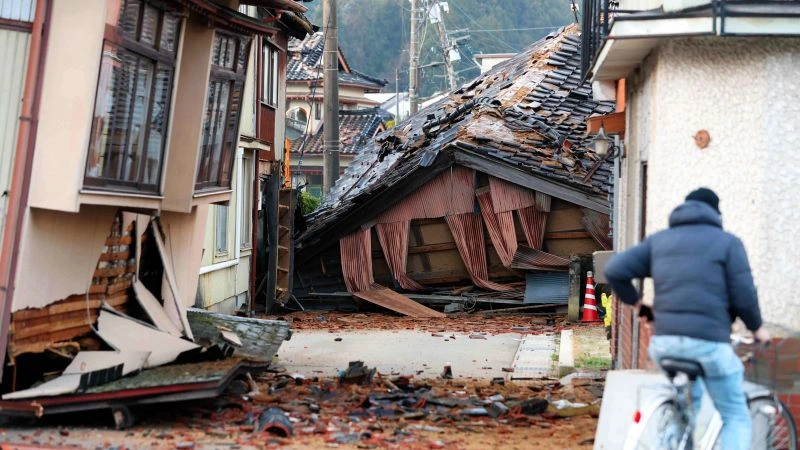
Monday’s Japan earthquake underscores the persistent seismic risk facing the world’s third largest economy.
Occurring in a region critical to global supply chains, the tremor immediately tested disaster readiness and regional stability in March 2026.
Japan’s northeastern coast has remained under heightened scrutiny since the 2011 Tōhoku earthquake and tsunami triggered nuclear meltdowns at Fukushima Daiichi Nuclear Power Plant.
Since then, Tokyo has invested heavily in early warning systems and coastal defenses, yet seismic forecasts along the Japan and Kuril trenches continue to signal elevated long term risk.
According to the Japan Meteorological Agency, the quake registered an upper five intensity, capable of structural damage and mobility disruption.
Naoshi Hirata, head of the government’s Earthquake Research Committee, stated the probability of a magnitude eight or higher event has temporarily increased due to stress redistribution along tectonic plates.
Koji Okamoto, senior economist at Mitsubishi UFJ Research and Consulting, said port shutdowns in Iwate Prefecture could disrupt seafood exports and specialized manufacturing components.
“Even short disruptions ripple into global supply chains, particularly semiconductors and automotive parts,” he noted.
Minoru Kihara, Japan’s chief cabinet secretary, confirmed no immediate casualties, emphasizing preparedness measures.
Hiroshi Sato, mayor of Kamaishi, told NHK residents responded swiftly: “Evacuation drills saved time. People moved immediately to higher ground.”
Yuki Tanaka, a fisheries cooperative worker in Otsuchi, said halted port operations could impact weekly exports, adding pressure on local livelihoods.
Seismologists expect heightened aftershock activity over the next several days. Government agencies are likely to increase monitoring along the trench system through 2026, while insurers may reassess regional risk premiums for coastal infrastructure and logistics hubs.
The latest Japan earthquake reinforces the country’s strategic role in global disaster preparedness, supply chain resilience and seismic research, as policymakers confront rising geological uncertainty across the Pacific Rim.
NOTE! This article was generated with the support of AI and compiled by professionals from multiple reliable sources, including official statements, press releases, and verified media coverage. For more information, please see our T&C.


