
SUMMARY
- Domestic violence remains a leading driver behind mass shootings involving minors in the United States.
- Multi scene incidents complicate emergency response coordination and delay victim stabilization.
- Policy gaps in early intervention systems continue to expose high risk households.
The mass shooting in Shreveport underscores a growing global concern: the intersection of domestic violence and mass casualty events involving children.
As countries assess community safety frameworks in 2026, such incidents highlight vulnerabilities in early detection and intervention systems.
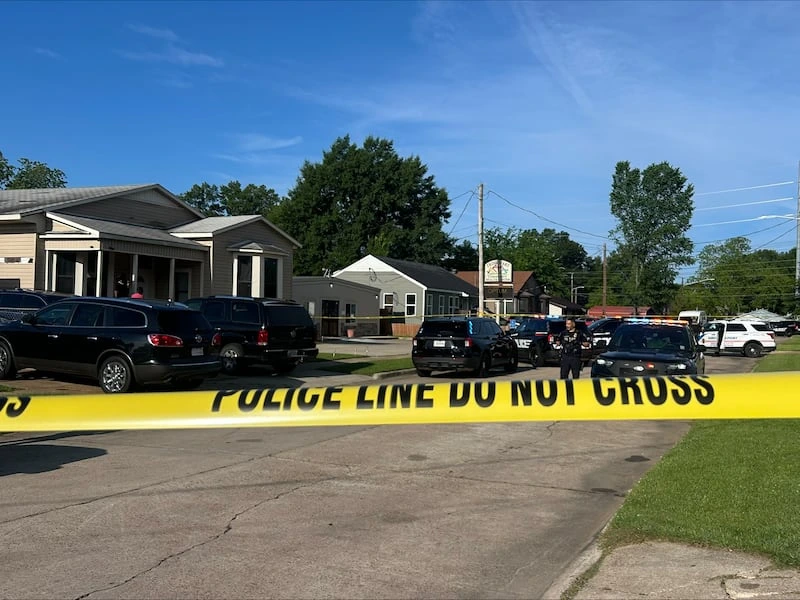
Authorities said officers responded shortly after 6 a.m. to reports of gunfire in the Cedar Grove neighborhood.
Victims were found across West 79th Street and Harrison Street. The suspect fled, carjacked a vehicle, and was later shot by officers in Bossier Parish. This marks one of the deadliest child focused domestic incidents in recent US history.
Data from the Gun Violence Archive shows more than one hundred mass shootings nationwide in 2026, with a notable share tied to familial disputes.
Dr. April Zeoli, associate professor of criminal justice at Michigan State University, said domestic violence related shootings often escalate rapidly due to proximity and access.
“When firearms are present in volatile households, lethality increases significantly,” she said.
Daniel Webster, director of the Johns Hopkins Center for Gun Violence Solutions, noted that multi location incidents indicate premeditation or prolonged escalation.
“These cases reveal missed intervention points, often known to local systems,” he said. The mass shooting in Shreveport also exposes strain on local policing models.
Coordinating across multiple scenes required rapid deployment, stretching response capacity and delaying medical access for victims.
Shreveport Mayor Tom Arceneaux called it “the worst tragedy” the city has faced. Police Chief Wayne Smith said the scale left responders “unable to comprehend how such violence unfolds.”
Cpl. Chris Bordelon confirmed investigators are still processing evidence across all scenes.
Federal and state agencies are expected to review domestic violence response protocols, particularly firearm access restrictions.
Local jurisdictions may expand cross agency alert systems within the next year to flag escalating household risks.
The mass shooting in Shreveport reflects persistent systemic gaps in violence prevention, emphasizing the need for integrated policy, enforcement, and community based safeguards worldwide.
NOTE! This article was generated with the support of AI and compiled by professionals from multiple reliable sources, including official statements, press releases, and verified media coverage. For more information, please see our T&C.


