
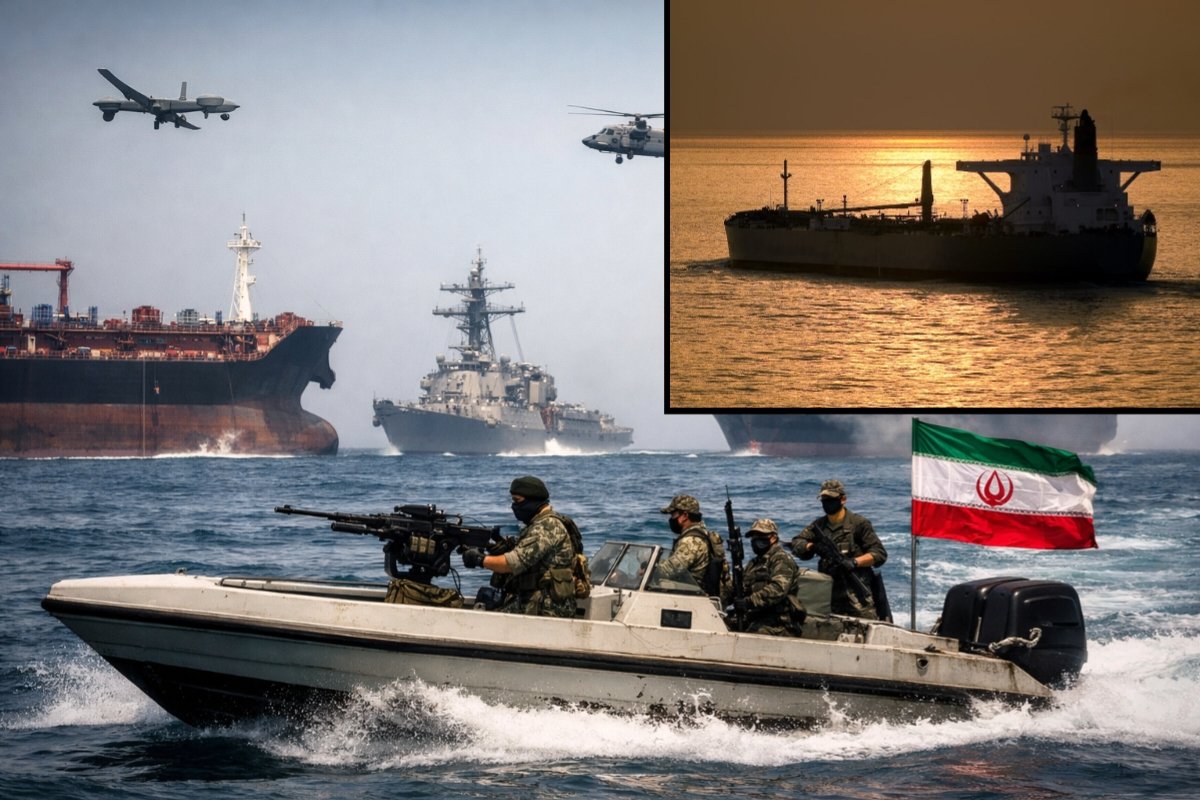
SUMMARY
- Iran ties shipping access to lifting US port blockade, raising global energy risks.
- Pakistani mediation efforts face setbacks as ceasefire nears expiration.
- Shipping disruptions threaten one fifth of global oil trade and supply chains.
The escalation of Strait of Hormuz tensions arrives at a critical moment for global markets in March 2026, as energy supply chains remain fragile following prolonged geopolitical instability.
The narrow waterway, a cornerstone of international oil transit, has again become a leverage point in US/Iran negotiations, with immediate implications for inflation, shipping insurance and regional security.
The current standoff traces back to Feb. 28, when US and Israeli military actions targeting Iran’s nuclear infrastructure triggered retaliatory measures. Iran swiftly restricted passage through the strait, disrupting tanker flows.
A ten day truce between Israel and Hezbollah briefly eased pressure, prompting Iran to signal reopening.
That window closed after Washington reaffirmed its blockade on Iranian ports, prompting Tehran to reinstate restrictions and link maritime access directly to sanctions relief.
Gregory Brew, senior analyst at the Eurasia Group, said the linkage strategy marks a shift in Iranian leverage. “Tehran is no longer responding tactically.
It is restructuring the negotiation framework by tying maritime access to economic concessions,” Brew said.
Fatih Birol, executive director of the International Energy Agency, warned the situation could disrupt price stability.
“Even partial interruptions in Hormuz flows can trigger disproportionate volatility in global oil markets,” he said, noting current spare capacity remains limited.
The standoff reflects competing economic pressure tactics. Iran’s control over the strait threatens global supply, while US sanctions target Tehran’s fiscal resilience.
This dual pressure dynamic is intensifying global oil supply risks and complicating diplomatic pathways.
An under reported implication is the strain on emerging Asian economies. Countries like India, heavily dependent on Gulf crude, face rising freight costs and insurance premiums, which could cascade into domestic inflation spikes.
Rakesh Mehta, operations director at Mumbai based shipping firm OceanBridge Logistics, said uncertainty is forcing rerouting decisions.
“We are holding vessels outside the Gulf. The risk calculations have changed overnight,” he said.
Lt. Cmdr. James Walker, spokesperson for the United Kingdom Maritime Trade Operations, confirmed increased incidents.
“Recent engagements show a higher operational tempo, raising safety concerns for commercial traffic,” he said.
Ali Reza Hosseini, a port official in Bandar Abbas, described local economic pressure. “Trade bottlenecks are affecting livelihoods. Even limited restrictions ripple through our port operations,” he said.
Over the next six to twelve months, Strait of Hormuz tensions are likely to remain a central pressure point in negotiations.
If sanctions persist, Iran may formalize controlled transit systems, including fees and certifications, reshaping maritime norms in the region.
Energy markets may see sustained volatility, with Brent crude projections fluctuating based on transit stability.
Diplomatic outcomes will depend heavily on whether mediators can decouple shipping access from broader nuclear negotiations. The standoff underscores the strategic weight of maritime chokepoints in modern conflict.
As Middle East conflict escalation intersects with economic policy, the Strait of Hormuz remains pivotal to both regional stability and the global energy system.
NOTE! This article was generated with the support of AI and compiled by professionals from multiple reliable sources, including official statements, press releases, and verified media coverage. For more information, please see our T&C.


