
SUMMARY
- Israeli airstrikes on Beirut’s southern suburbs killed at least 102 people and injured 638, Lebanon’s Health Ministry reported.
- US President Donald Trump declared that no negotiations with Iran will proceed without its “full capitulation,” signaling a prolonged military campaign.
- The conflict has sparked a humanitarian crisis, with mass displacement and fears of wider regional escalation.
Israel launched extensive airstrikes on southern Beirut on Thursday, following a mass evacuation order affecting more than 500,000 residents, as the United States called for Iran’s “unconditional surrender” amid a rapidly expanding Middle East conflict.
The strikes, targeting Hezbollah command centers and drone storage facilities, coincide with retaliatory Iranian missile launches against US and Israeli assets in the region.
The current confrontation stems from a US Israeli preemptive strike that killed Iran’s Supreme Leader, Ayatollah Ali Khamenei, earlier this week.
Israeli authorities, citing intelligence of imminent Iranian and Hezbollah attacks, targeted Tehran’s underground military command bunkers, described as secure emergency centers used by top regime officials.
The conflict intensified as Hezbollah retaliated with drone and missile attacks into northern Israel, prompting the Israeli Defense Forces (IDF) to conduct the largest evacuation and bombardment in southern Beirut since the 2024 Israel Hezbollah war.
“This escalation represents one of the most significant military confrontations in the Middle East in decades,” said Dr. Lina Makhoul, senior researcher at the Middle East Institute in Washington, DC “The combination of state and non state actors on multiple fronts increases the risk of regional spillover.”
According to Major General (ret.) Amos Yadlin, former chief of Israeli military intelligence, “The elimination of Khamenei’s command center was strategically timed.
Israel’s aim is to disrupt Iran’s operational capacity, but civilian displacement remains a critical concern.”
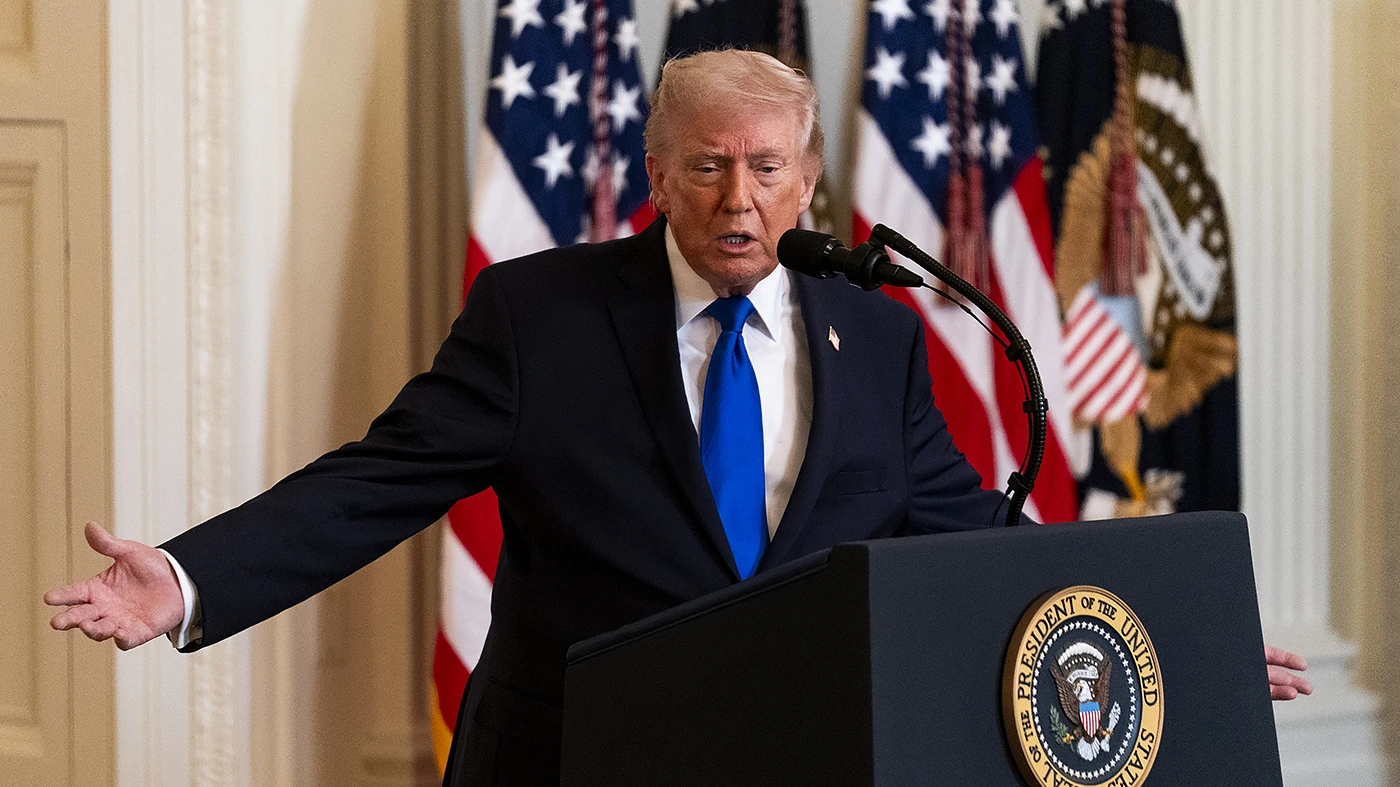
US President Donald Trump announced via Truth Social that Iranian military and police personnel could receive immunity if they surrendered, otherwise facing “guaranteed death.”
Trump also stated he expects to participate in selecting Iran’s future leadership, highlighting Washington’s deep involvement in post conflict political arrangements.
Bilal Hussein, a Beirut resident, described the chaos: “People were running, pushing strollers, helping elderly neighbors. The roads were blocked, and smoke covered the skyline. Everyone is terrified.”
In Tehran, Professor Mehran Tavakoli, a political science scholar at the University of Tehran, noted, “Khamenei’s death has created uncertainty. The regime is retaliating to show strength, but its political future is under scrutiny.”
Military analysts caution that the conflict may expand further as Iran continues missile attacks and Hezbollah escalates cross-border operations.
Diplomatic channels remain limited, with UN agencies emphasizing urgent humanitarian support for displaced populations in Lebanon, Iran, and surrounding regions.
Efforts by allied nations, including France’s pledge to send armored vehicles to Lebanon, indicate an international concern for stabilizing the situation, although immediate de-escalation appears unlikely.
The unfolding Israel Iran conflict has triggered one of the largest military and humanitarian crises in the Middle East in recent history.
With massive evacuations, escalating missile exchanges, and US involvement in Iran’s political future, the region faces prolonged instability and widespread human suffering.
NOTE! This article was generated with the support of AI and compiled by professionals from multiple reliable sources, including official statements, press releases, and verified media coverage. For more information, please see our T&C.


