
SUMMARY
- US markets fell sharply as investors reacted to escalating Middle East conflict.
- European and Asian indexes posted multi day losses, with South Korea hitting a six month low.
- Oil, diesel, and natural gas prices surged, fueling inflationary concerns worldwide.
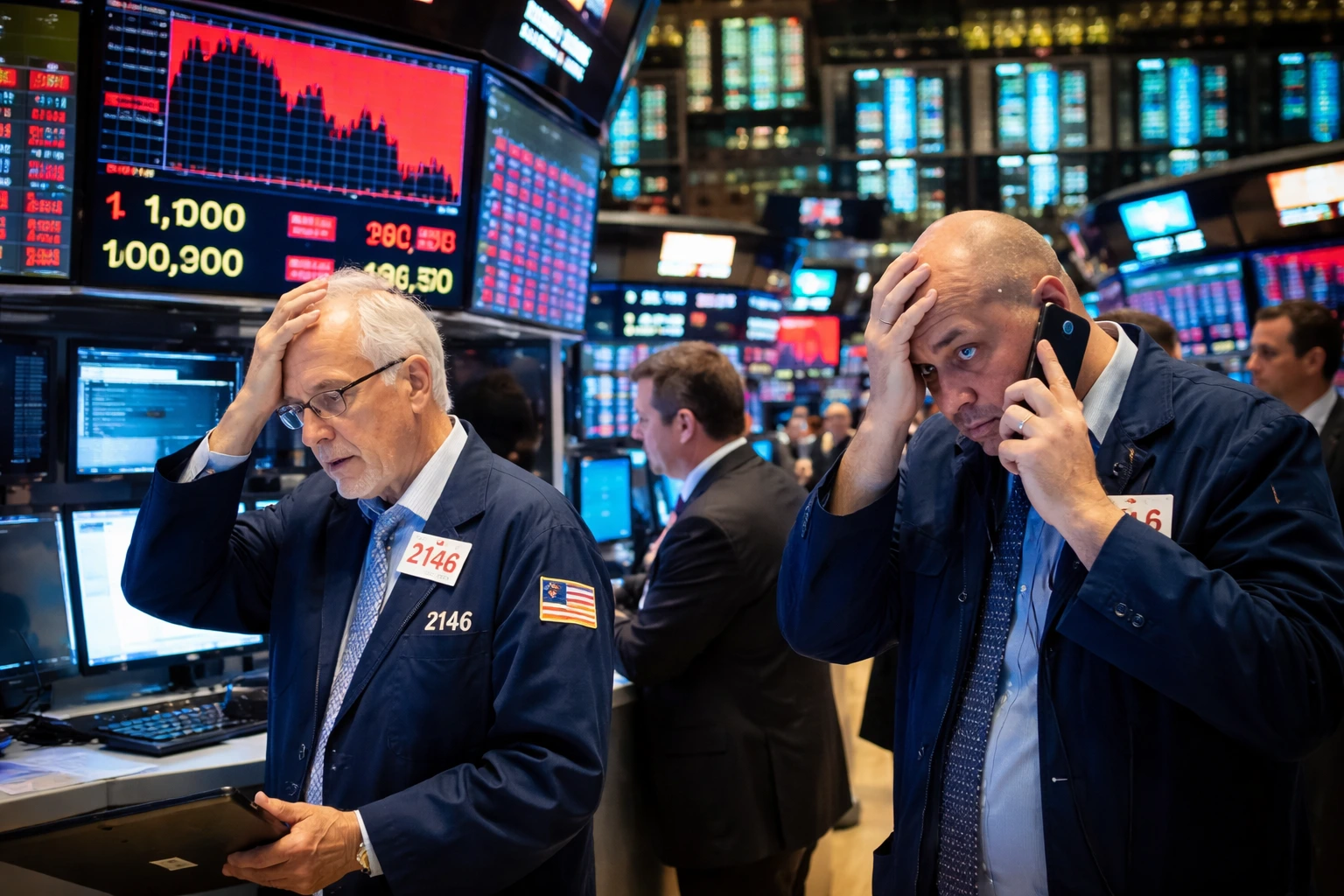
NEW YORK — Global stock markets plunged for a second consecutive day Tuesday as investors weighed the growing risk of an expanded Middle East conflict and its impact on energy prices and global inflation.
The Dow Jones Industrial Average fell 1,140 points, or 2.33 percent, shortly after the opening bell, while the S&P 500 and Nasdaq Composite each dropped 2.1 percent.
Wall Street’s volatility index, the VIX, surged 22 percent, reaching a three month high. Markets in Europe and Asia mirrored the US decline.
The Stoxx Europe 600 sank 3.2 percent. Japan’s Nikkei 225 fell 3.06 percent. South Korea’s Kospi tumbled 7.24 percent, its steepest drop since April, after reopening following a national holiday closure.
The market turmoil coincides with intensified military activity in the region. Israel announced “simultaneous strikes in Tehran and Beirut,” targeting Iranian military infrastructure and Hezbollah positions.
US embassies in Saudi Arabia and Kuwait were reportedly hit, prompting the evacuation of non emergency personnel in Jordan, Bahrain, Iraq, Qatar, Kuwait, and the United Arab Emirates.
Iran warned Monday it would attack any vessel attempting to transit the Strait of Hormuz, a strategic chokepoint for nearly 20 percent of global oil supply. Rising risks have sparked dramatic swings in energy markets.
Thierry Wizman, global FX and rates strategist at Macquarie Group, said, “The view of a short war has been upended because of suggestions from the US administration that military operations may extend beyond a few weeks.”
James Paulsen, chief investment strategist at The Leuthold Group, noted, “Investors are recalibrating portfolios toward safe-haven assets, but inflationary pressure from oil price spikes is complicating bond and currency strategies.”
| Asset | Tuesday Change | Monday Change | Weekly Trend |
|---|---|---|---|
| Dow Jones | -1,140 pts (-2.33%) | -850 pts (-1.74%) | -4.1% |
| S&P 500 | -2.1% | -1.9% | -4.0% |
| Nasdaq | -2.1% | -2.2% | -5.3% |
| Gold | -5% | +1.2% | -3% |
| U.S. Dollar Index | +0.98% | +0.8% | +1.8% |
| Diesel Futures | +13% | +12% | +25% |
US State Department spokesperson Matthew Miller said, “We are closely monitoring security conditions in the region and taking necessary steps to protect personnel.”
European Central Bank analyst Claudia Rusch observed, “Energy volatility could exert short term inflationary pressure, affecting both policy decisions and investor sentiment.”
Traders anticipate continued volatility in global equities and energy markets as military developments unfold. Investors are expected to monitor oil flow disruptions, central bank signals, and regional diplomacy closely.
The ongoing conflict underscores the sensitivity of global markets to geopolitical crises and the potential for rapid shifts in energy driven inflation and investor confidence.
NOTE! This article was generated with the support of AI and compiled by professionals from multiple reliable sources, including official statements, press releases, and verified media coverage. For more information, please see our T&C.


