
SUMMARY
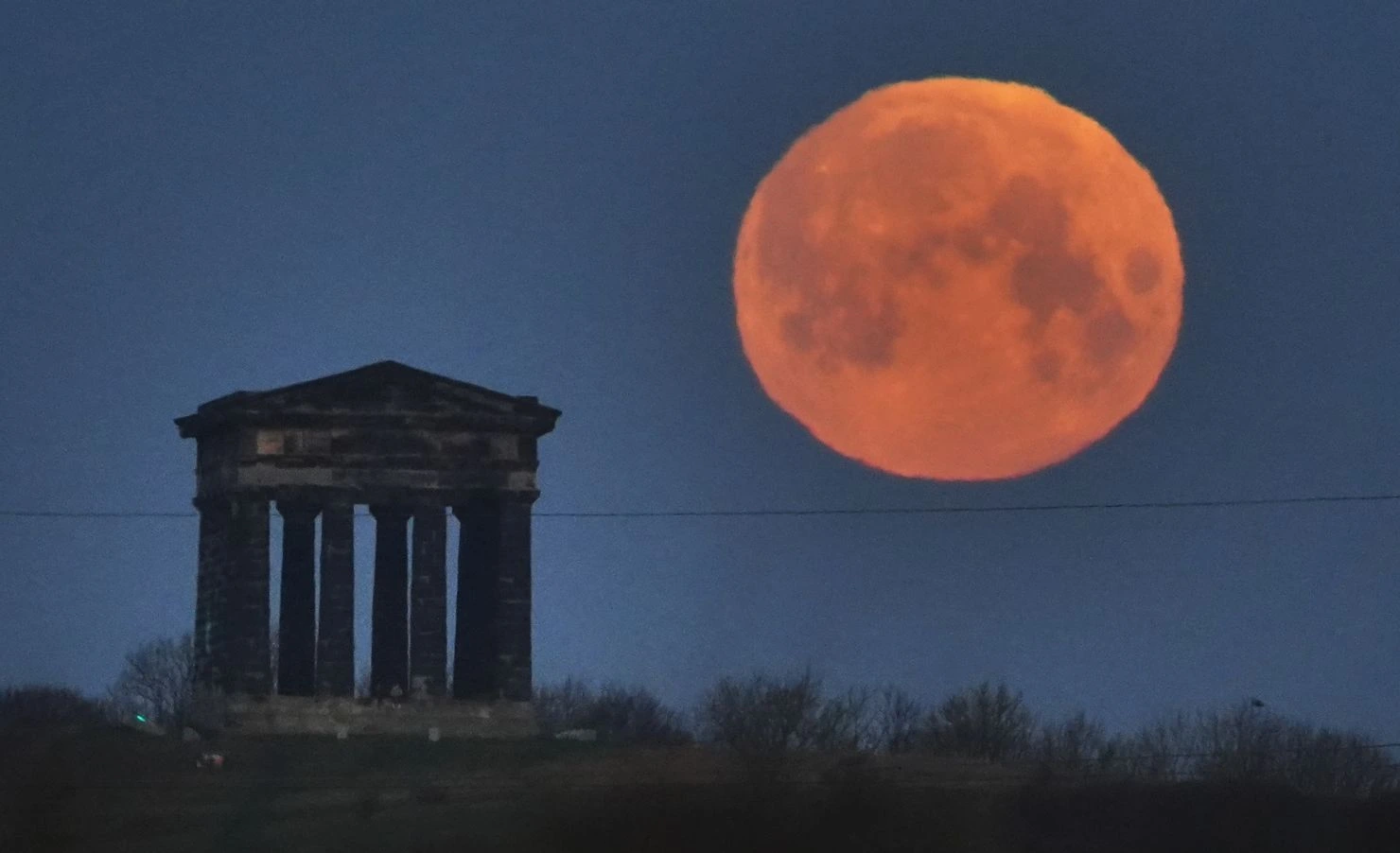
- The total lunar eclipse created a crimson “blood moon” visible across multiple continents
- It was the third in a rare series of consecutive total lunar eclipses
- The next comparable event will not occur until Dec. 31, 2028
A total lunar eclipse turned the moon deep red Tuesday as Earth moved directly between the sun and the moon, casting a shadow visible across Asia, Australia, the Pacific and the Americas.
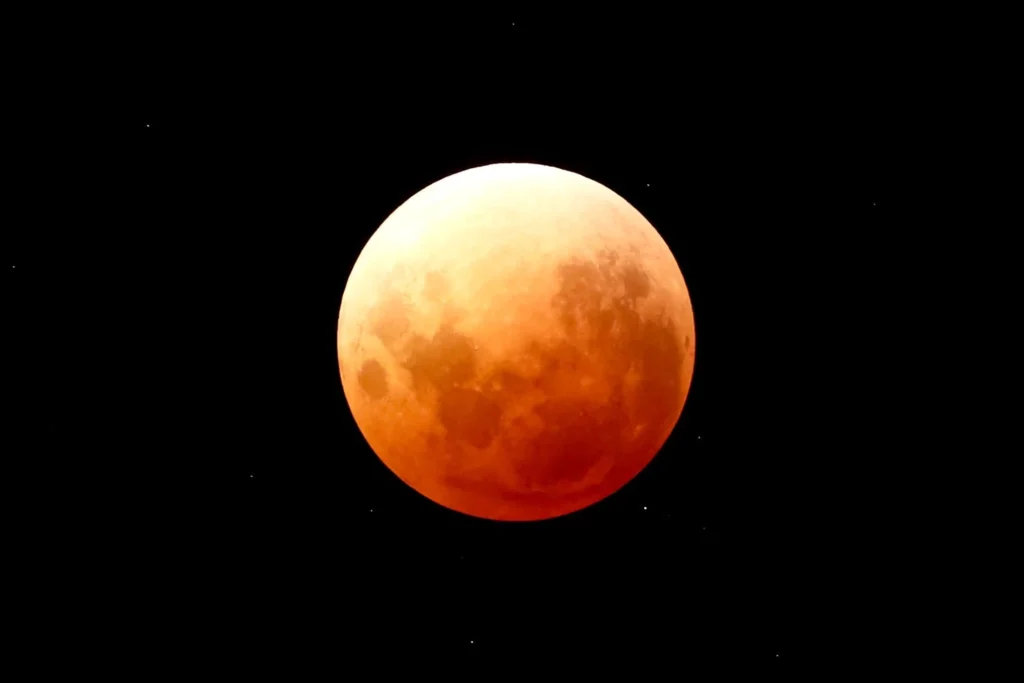
The celestial event, commonly known as a blood moon, occurs when sunlight filters through Earth’s atmosphere and scatters shorter blue wavelengths, leaving longer red hues to illuminate the lunar surface.
According to NASA, the phenomenon is safe to view with the naked eye and can last for several hours depending on atmospheric conditions.
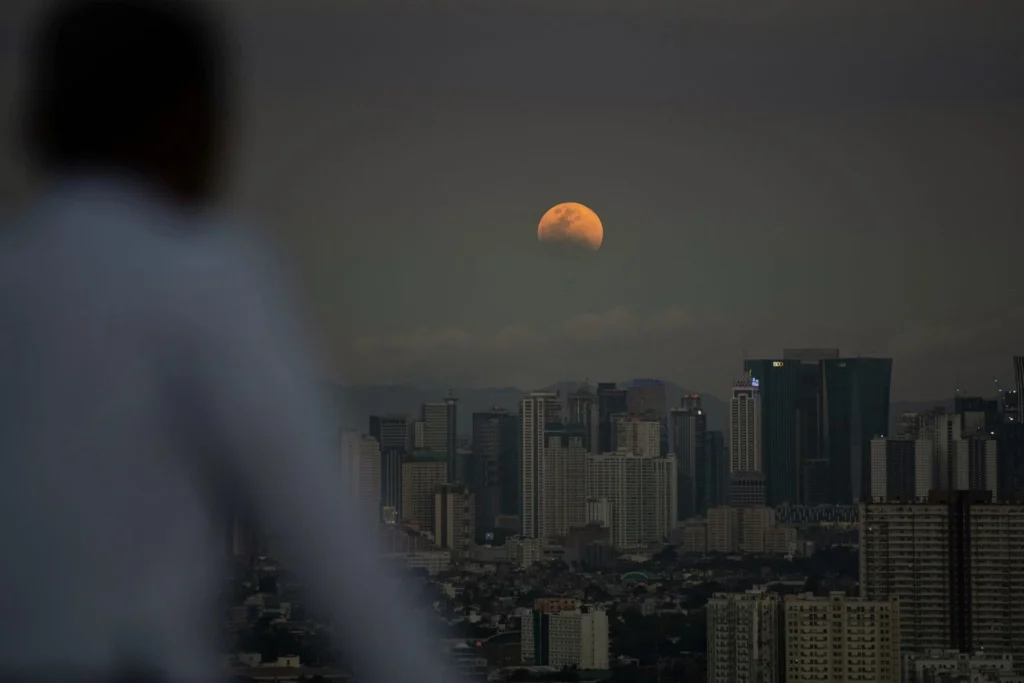
This eclipse marked the last of three consecutive total lunar eclipses, following events in March 2025 and September 2025. Such sequences are uncommon and result from precise orbital alignments among Earth, the moon and the sun.
“Total lunar eclipses offer a direct demonstration of Earth’s curvature and atmospheric composition,” said Sarah Noble, lunar science lead at NASA headquarters.
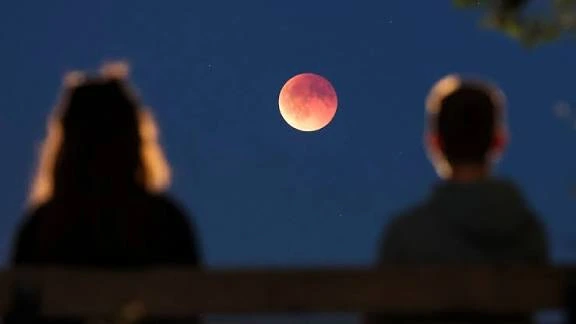
Astronomers said stable skies in parts of Southeast Asia and western North America allowed extended viewing. Scientists expect the next total lunar eclipse in late 2028 to generate similar global interest.
NOTE! This article was generated with the support of AI and compiled by professionals from multiple reliable sources, including official statements, press releases, and verified media coverage. For more information, please see our T&C.


