
SUMMARY
- Supreme Leader Ayatollah Ali Khamenei was reported dead after US/Israel strikes on Iranian government and military facilities.
- Iran retaliated with missiles and drones toward Israel and US bases, raising fears of a broader regional conflict.
- World leaders and UN officials are calling emergency sessions as uncertainty grows over Iran’s leadership succession.
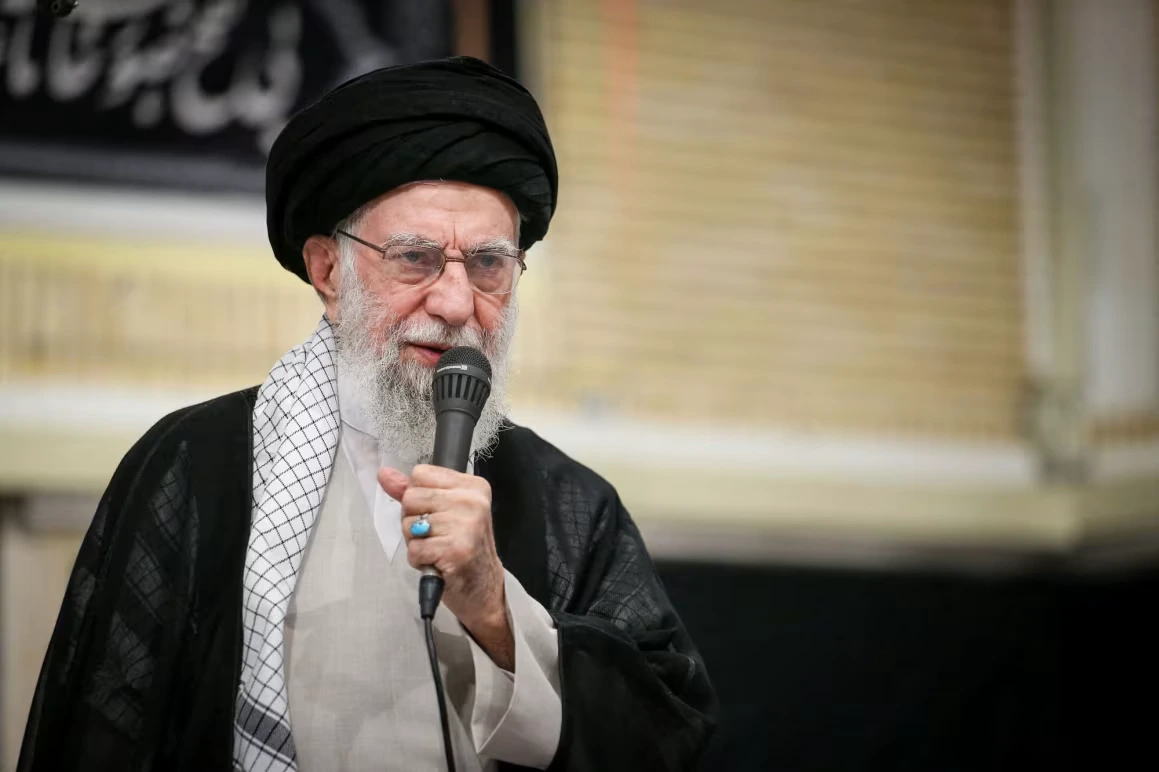
Supreme Leader Ayatollah Ali Khamenei was killed in a joint US/Israeli military strike on Iran, Iranian state media reported early Sunday, after President Donald Trump said the 86 year old leader had been targeted in coordinated aerial bombardments on military and government sites across the country.
The reported death of Supreme Leader Ayatollah Ali Khamenei marks the most consequential moment for the Islamic Republic since the 1979 revolution.
Iranian state television and the state run IRNA news agency confirmed his death but did not specify a cause.
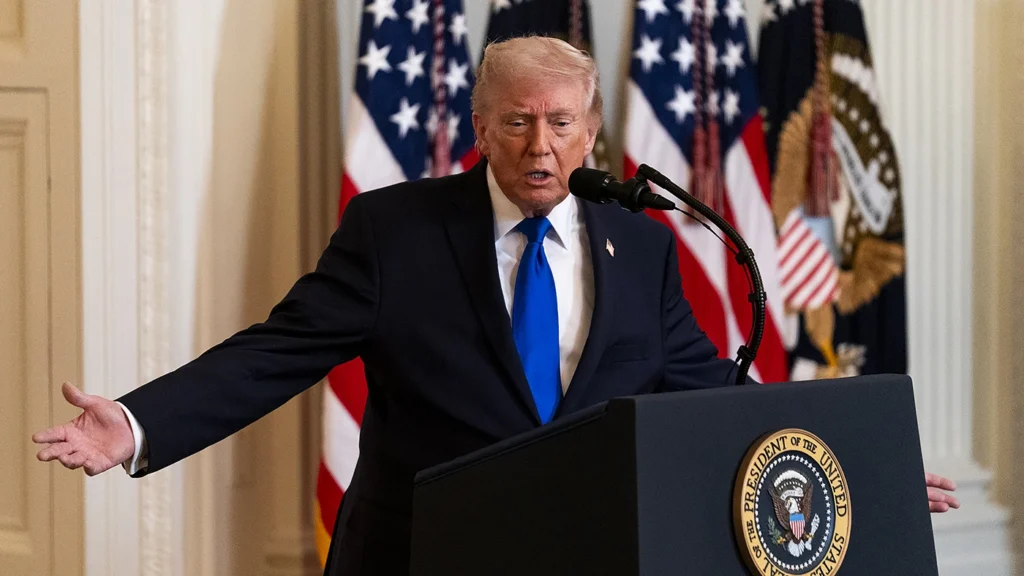
Hours earlier, Trump said on social media that Khamenei had been killed in a joint American Israeli operation designed to halt Iran’s nuclear and missile programs.
Smoke was seen rising over Tehran as strikes hit areas near government compounds, including locations reported to be near the supreme leader’s offices.
Iranian authorities acknowledged nationwide strikes. Within hours, Iran launched missiles and drones toward Israel and US military installations in the region.
The developments have intensified the Iran conflict and raised immediate questions about political succession in Tehran, regional stability and the risk of sustained military confrontation.
Khamenei became Iran’s supreme leader in 1989 following the death of Ayatollah Ruhollah Khomeini, the architect of the Islamic Republic.
As supreme leader, he held ultimate authority over the military, judiciary and state broadcasting, and maintained control over foreign and nuclear policy.
In recent years, tensions between Iran and Israel have escalated through proxy confrontations in Syria, Lebanon and Gaza.
The United States has imposed sweeping sanctions over Tehran’s nuclear activities following the collapse of the 2015 nuclear agreement.
Trump justified the strikes by saying Iran continued to develop its nuclear program and ballistic missiles capable of reaching US territory.
Members of Congress have called for a vote on a war powers resolution, reflecting debate in Washington over executive authority and military escalation.
Iran’s constitution requires the Assembly of Experts to appoint a new supreme leader. No formal successor had been publicly designated, adding uncertainty to the country’s political future.
The Board of Governors of the International Atomic Energy Agency will convene a special session in Vienna at the request of Russia to address the military strikes.
Vali Nasr, professor of international affairs at Johns Hopkins University, said the killing of a sitting supreme leader represents “a structural shock to the Islamic Republic’s political system.”
“The supreme leader is not merely symbolic,” Nasr said. “He is the central node of authority in Iran’s hybrid system. Removing that figure abruptly introduces institutional uncertainty.”
Sanam Vakil, director of the Middle East and North Africa program at Chatham House, said succession dynamics could determine whether Iran moves toward consolidation or fragmentation.
“The Assembly of Experts will be under intense pressure,” Vakil said. “Any perception of foreign interference in leadership transition could harden internal factions and reduce prospects for de-escalation.”
At the United Nations, US Ambassador Mike Waltz defended the strikes during an emergency Security Council session, saying Washington acted to prevent what he described as an existential threat.
Iran’s UN ambassador, Amir Saeid Iravani, accused the United States and Israel of violating international law and attempting to dictate Iran’s political future through force.
Israel’s UN Ambassador Danny Danon said diplomacy had been exhausted and described the action as necessary to prevent irreversible nuclear capability.
In Tehran, state media showed images of crowds gathering outside government buildings, though independent verification was limited. Iranian authorities urged calm.
In Abu Dhabi, Zayed International Airport confirmed one person was killed and seven injured in a drone strike early Sunday. The airport, a hub for Etihad Airways, said the victim was a national of an unnamed Asian country.
New Zealand Prime Minister Christopher Luxon and Foreign Minister Winston Peters said in a joint statement that the strikes were designed to prevent Iran from threatening international peace and security.
Australian Prime Minister Anthony Albanese posted that his government supports US efforts to prevent Iran from obtaining a nuclear weapon.
At the United Nations, Maged Abdelaziz, the Arab League’s UN observer, accused Israel of using the conflict to avoid addressing Palestinian statehood and regional nuclear oversight.
In Los Angeles, demonstrators gathered outside a federal building in Westwood, home to a large Iranian American community.
Participants waved pre-1979 Iranian flags and chanted slogans calling for democratic change in Iran.
The immediate priority for Iranian authorities is maintaining internal stability and initiating a leadership transition. The Assembly of Experts is expected to convene in coming days.
Military exchanges between Iran and Israel remain active. Analysts warn that continued retaliation could draw in regional actors and threaten energy infrastructure across the Persian Gulf.
The International Atomic Energy Agency’s emergency meeting may influence diplomatic channels, particularly if concerns arise over the security of nuclear facilities damaged in the strikes.
The reported killing of Supreme Leader Ayatollah Ali Khamenei during coordinated US/Israel strikes has transformed the Iran conflict into a pivotal geopolitical moment.
As Tehran confronts leadership succession and regional powers brace for further escalation, the balance between deterrence and wider war remains uncertain.
The coming days will test diplomatic mechanisms, institutional resilience within Iran and the capacity of international actors to prevent further destabilization.
NOTE! This article was generated with the support of AI and compiled by professionals from multiple reliable sources, including official statements, press releases, and verified media coverage. For more information, please see our T&C.


