
SUMMARY
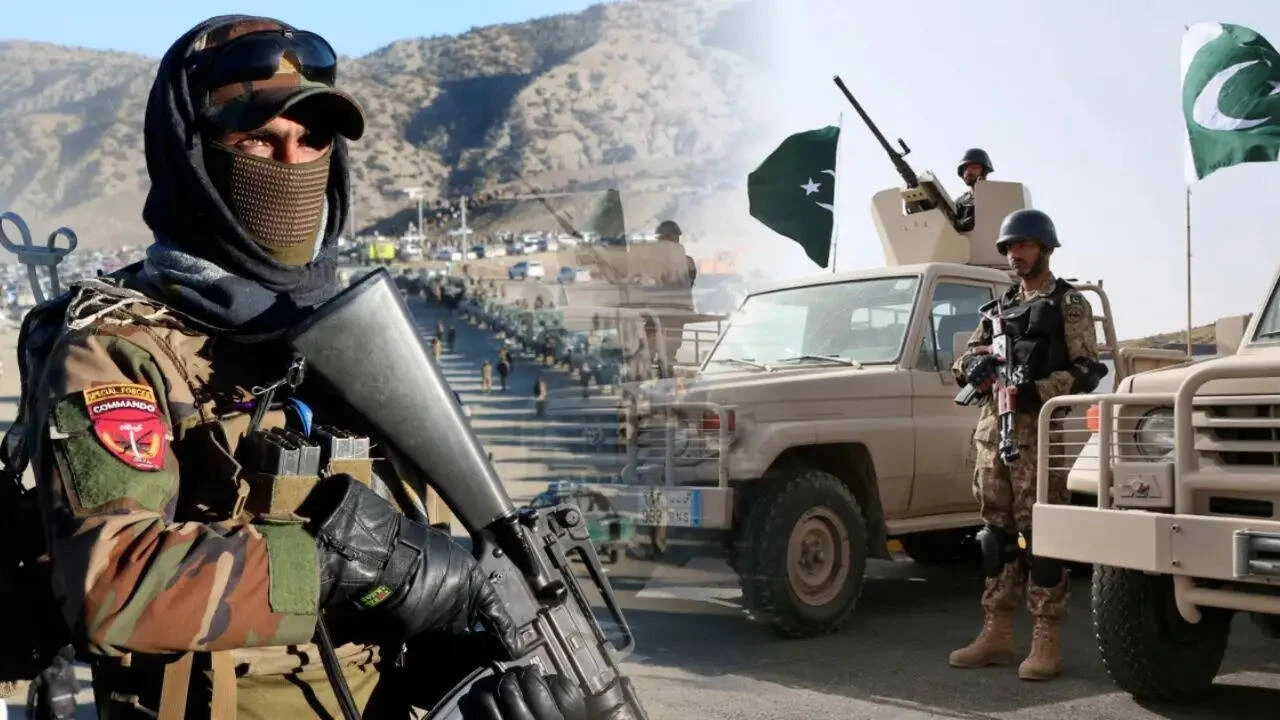
- The Pakistan-Afghanistan conflict has escalated into direct strikes on major Afghan cities, including Kabul.
- Both sides report significant casualties, though figures remain disputed.
- Diplomatic efforts by Turkiye, Qatar and regional powers have so far failed to halt renewed fighting.
ISLAMABAD, Pakistan — Pakistan launched air strikes on Afghanistan’s capital, Kabul, as well as Kandahar and Paktia early Friday, targeting Taliban military installations and declaring what officials described as “open war” after a series of cross-border attacks and deadly bombings inside Pakistan.
The escalation in the Pakistan-Afghanistan conflict follows coordinated Afghan cross border operations late Thursday that Kabul claimed killed fifty five Pakistani soldiers and captured nineteen outposts.
Pakistan rejected those figures, saying two soldiers were killed and at least one hundred thirty three Afghan fighters died in retaliatory strikes.
Pakistan’s Defense Minister Khawaja Asif said in a social media statement that the country’s “patience has overflowed,” while Prime Minister Shehbaz Sharif warned there would be “no leniency” in defending national territory.
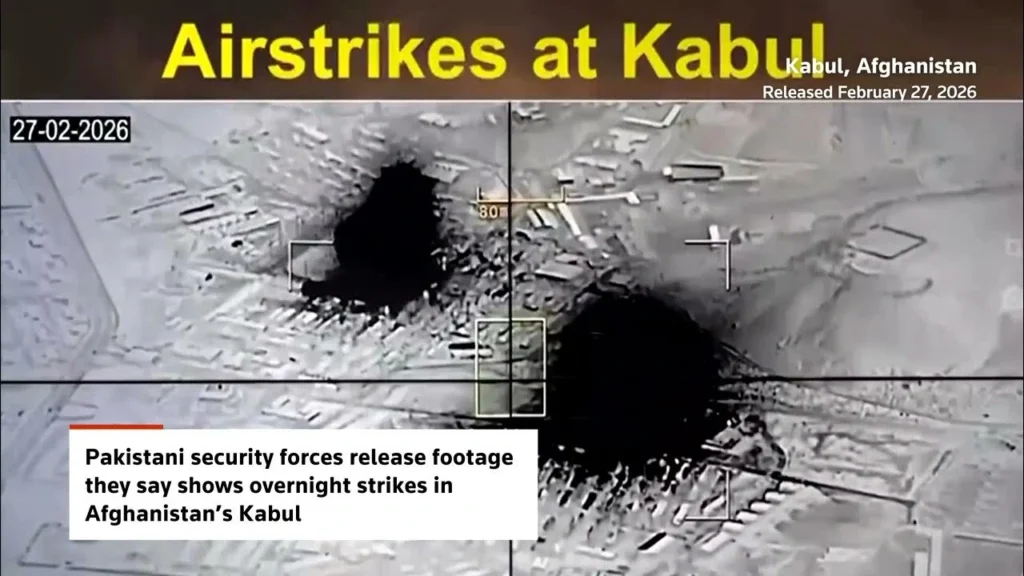
Taliban spokesman Zabihullah Mujahid confirmed strikes in Kabul, Kandahar and Paktia but said there were no casualties. He announced retaliatory operations from Kandahar and Helmand.
Friday’s strikes mark one of the most serious military confrontations between Pakistan and Afghanistan in years, shifting hostilities from remote border regions to symbolic and administrative centers.
The escalation has raised concerns among regional governments and the United Nations about a broader destabilization of South and Central Asia.
The breakdown of a ceasefire brokered by Turkiye and Qatar in October has removed the only recent diplomatic framework that contained earlier violence.
That agreement followed ten days of clashes that killed more than seventy people on both sides.
Tensions have intensified after a wave of attacks inside Pakistan this month. On Feb. six, a suicide bomber killed at least thirty six people at a Shiite mosque in Islamabad.
Days later, an explosives-laden vehicle struck a security post in Bajaur in Khyber Pakhtunkhwa province, killing eleven soldiers and a child. On Feb. twenty one, another suicide bomber attacked a convoy in Bannu, killing two soldiers.
Pakistani authorities identified at least one attacker as an Afghan national and summoned Afghanistan’s deputy head of mission in Islamabad.
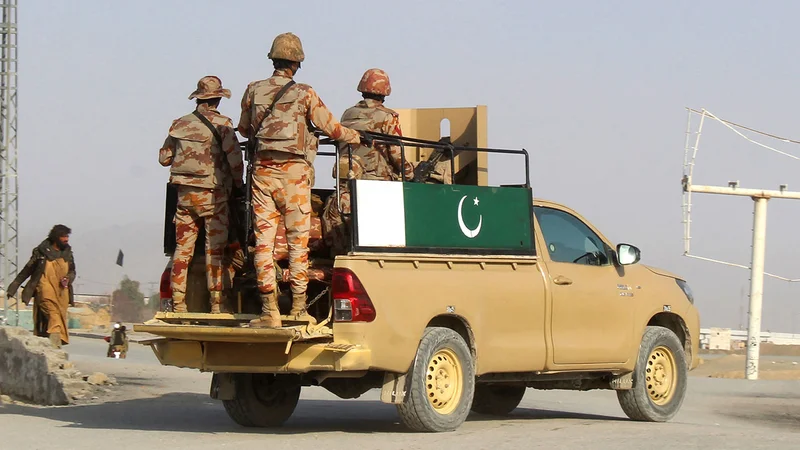
Islamabad has repeatedly accused Kabul of allowing the Tehreek-e-Taliban Pakistan, or TTP, to operate from Afghan soil. The Afghan Taliban denies providing sanctuary.
The TTP, formed in two thousand seven, has waged an insurgency against Pakistan for more than a decade.
It seeks the imposition of strict Islamic law, release of detained members and reversal of the merger of former tribal areas into Khyber Pakhtunkhwa.
Pakistan also alleges that the Balochistan Liberation Army benefits from safe haven in Afghanistan. The group seeks independence for Pakistan’s mineral rich Balochistan province.
Security analysts describe Friday’s strikes as a shift in the Pakistan-Afghanistan conflict from tactical retaliation to strategic signaling.
Tariq Khan, a retired three-star general who led counterinsurgency operations in Khyber Pakhtunkhwa, said the confrontation could deepen.
“We have not seen the peak,” he said. “If the Taliban do not curb the TTP, Pakistan’s response will continue.”
Tameem Bahiss, a Kabul based security analyst, said the dispute centers on competing narratives.
“From Islamabad’s perspective, these operations are counterterrorism,” he said. “From Kabul’s perspective, they are violations of sovereignty.”
Abdul Basit, a senior associate fellow at the S. Rajaratnam School of International Studies in Singapore, questioned the long term impact.
“Instability benefits decentralized militant networks,” he said. “Escalation may weaken deterrence rather than strengthen it.”
The Taliban lacks an air force but has demonstrated asymmetric capabilities, including cross-border raids and drone use.
Pakistan’s information minister, Attaullah Tarar, said small drones were intercepted Friday in Abbottabad, Swabi and Nowshera, with no casualties reported.
Iftikhar Firdous, co-founder of The Khorasan Diary, said proxy dynamics are central. “Alignment between factions across the border increases escalation risk,” he said. “Drone warfare shows how conflict is evolving.”
United Nations Secretary General Antonio Guterres urged both countries to adhere to international humanitarian law and resolve differences through dialogue, according to a statement issued Friday.
Iran’s Foreign Minister Abbas Araghchi said Tehran was prepared to facilitate talks, while Saudi Foreign Minister Prince Faisal bin Farhan Al Saud discussed the crisis with Pakistan’s Foreign Minister Ishaq Dar in Riyadh.
Diplomatic channels remain open but fragile. Bahiss said de-escalation would require Pakistan to share actionable intelligence on alleged TTP positions and for Kabul to take verifiable action.
Absent that, analysts warn the Pakistan-Afghanistan conflict could evolve into sustained cross border exchanges, particularly during the summer fighting season when militant activity traditionally increases.
Neither government has signaled willingness to step back publicly. Pakistan’s leadership has pledged continued response to attacks originating from Afghan territory, while the Taliban faces internal pressure not to appear weak after strikes on Kabul and Kandahar.
The latest escalation underscores how unresolved disputes over militant sanctuaries, sovereignty and border security continue to drive instability between Pakistan and Afghanistan.
With ceasefire mechanisms collapsed and mistrust entrenched, regional diplomacy faces its most serious test since the Taliban’s return to power in two thousand twenty one.
NOTE! This article was generated with the support of AI and compiled by professionals from multiple reliable sources, including official statements, press releases, and verified media coverage. For more information, please see our T&C.


