
SUMMARY
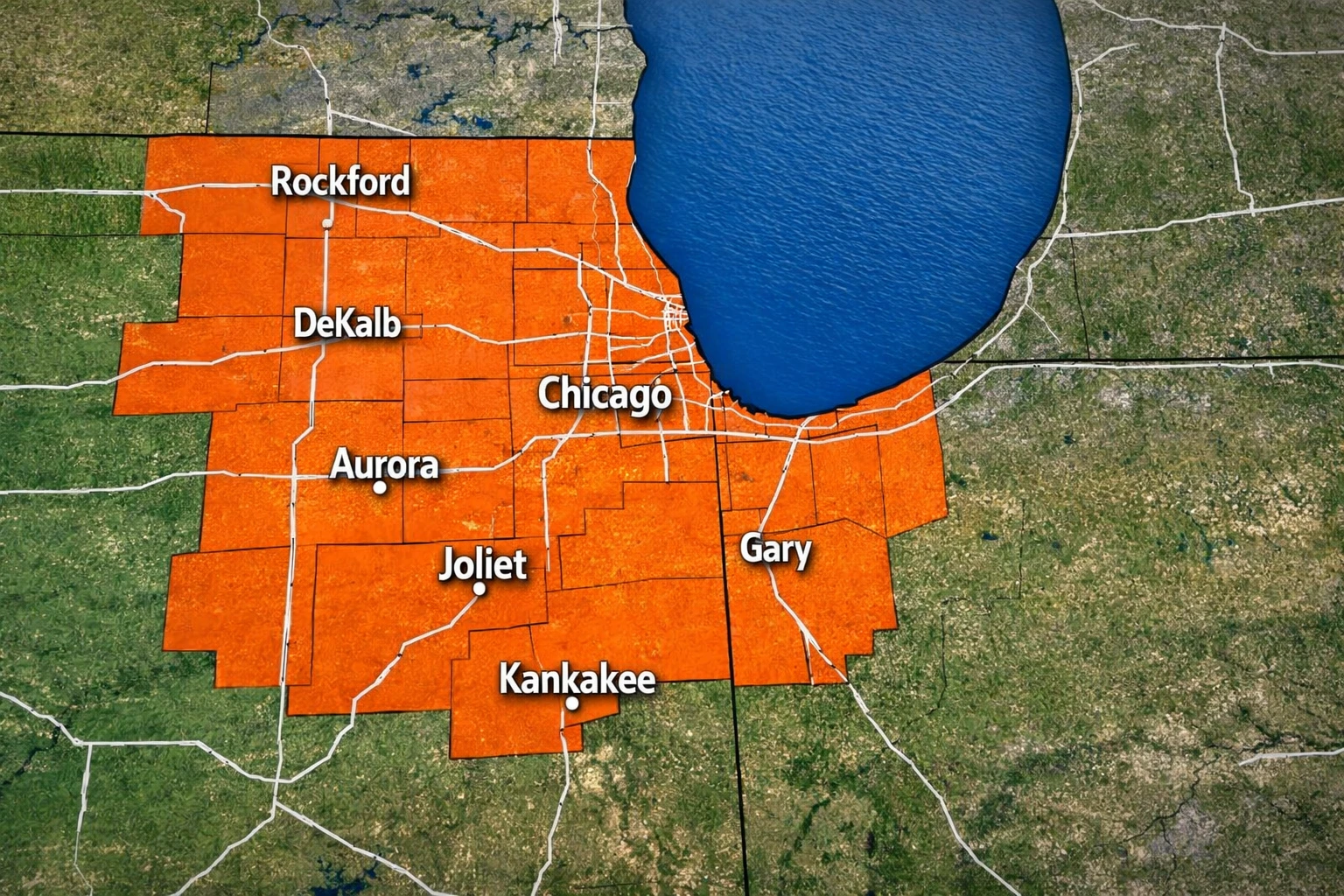
- A fire weather watch covers the entire Chicago metro area from morning through evening.
- Wind gusts exceeding 40 mph and humidity near 15 percent increase wildfire risk.
- Officials warn that outdoor burning could quickly spark fast moving fires.
CHICAGO — Residents across the Chicago metropolitan area will see temperatures climb into the mid to upper 60s on Wednesday.
But the unseasonable warmth has prompted the National Weather Service to issue a fire weather watch as strong winds and critically low humidity create conditions favorable for rapidly spreading brush fires.
The fire weather watch comes as unusually warm February temperatures combine with sustained winds of 15 to 25 mph and powerful gusts, according to the National Weather Service Chicago office.
Meteorologists said the convergence of warm air, dry vegetation and strong winds creates elevated wildfire risk even in densely populated urban and suburban areas.
While Chicago is not traditionally associated with large wildfires, officials said dry grasses, vacant lots and forest preserves can serve as ignition points under extreme conditions.
Mid February temperatures in Chicago typically average in the mid-30s, according to historical climate data.
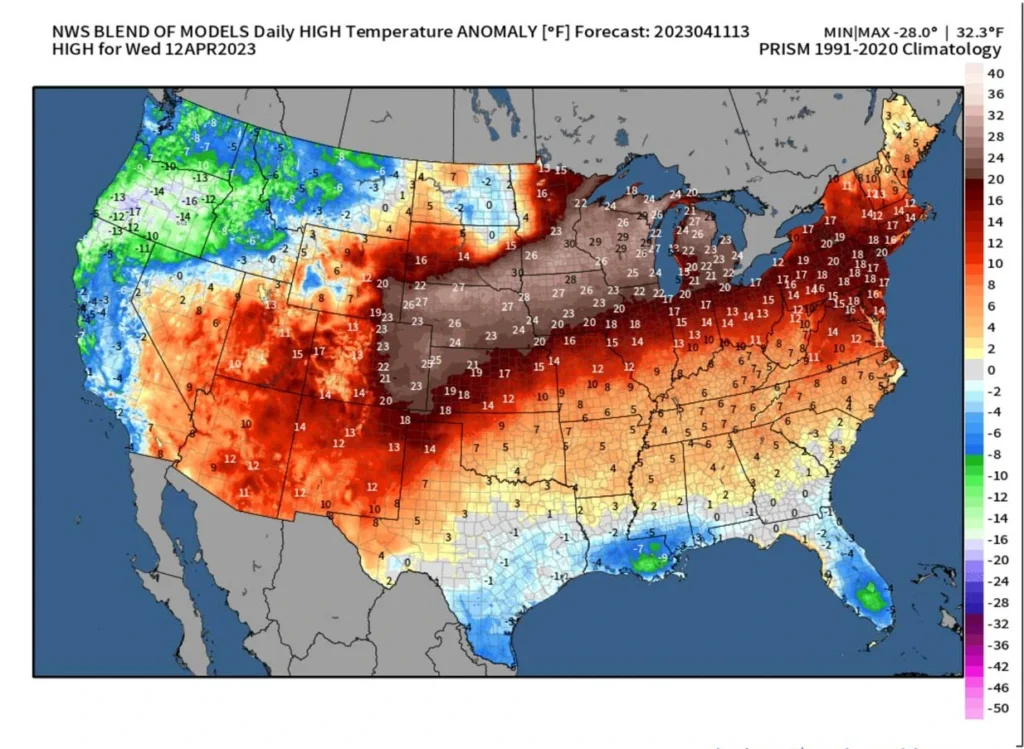
Wednesday’s forecast, nearly 30 degrees above seasonal norms, reflects a broader winter pattern marked by fluctuating temperatures and below average snowfall.
Periods of limited snow cover reduce ground moisture, leaving dormant grasses exposed. Combined with low humidity, that dryness can allow fires to spread quickly across open terrain.
The National Weather Service defines a fire weather watch as a warning that critical fire weather conditions are possible within 12 to 48 hours.
An upgrade to a red flag warning would signal that such conditions are imminent or already occurring.
Kevin Doom, a meteorologist with the National Weather Service Chicago, said wind is the most significant variable.
“When you have gusts over 40 miles per hour, embers can travel significant distances and ignite spot fires well ahead of the main flame front,” Doom said. “That makes containment much more difficult.”
Illinois State Fire Marshal James A. Rivera said even routine outdoor activities can become hazardous under these conditions.
“Burning yard debris, using fire pits or improperly discarded cigarettes can all serve as ignition sources,” Rivera said.
“Once a fire starts in 15 percent humidity with strong winds, it can outpace suppression efforts.”
Climate researchers note that temperature swings during winter months can heighten variability in vegetation moisture levels, complicating fire behavior forecasts.
Key Weather Conditions
| Factor | Wednesday Forecast | Typical Mid-February Average |
|---|---|---|
| High Temperature | 65–68°F | 34–38°F |
| Wind Gusts | Up to 40+ mph | 10–15 mph |
| Sustained Winds | 15–25 mph | 8–12 mph |
| Relative Humidity | ~15% | 60–70% |
Source: National Weather Service Chicago, NOAA climate data
David Lewin, deputy chief of operations for the Chicago Fire Department, said crews are prepared for grass and brush fire responses throughout the region.
“Under these wind conditions, fires can jump roadways and natural barriers,” Lewin said. “Early reporting from residents is critical.”
In suburban DuPage County, emergency management coordinator Mary Ann Arvantis said local agencies have alerted park districts and forest preserve officials.
“These are not conditions people typically associate with February,” Arvantis said. “Public awareness is essential because prevention is the strongest defense.”
Forecasters said wind speeds are expected to ease late Wednesday evening as a cold front moves through the region. Humidity levels may recover overnight, reducing immediate wildfire risk.
However, officials cautioned that dry conditions could persist if precipitation remains limited.
The National Weather Service said it will continue monitoring conditions and could upgrade the fire weather watch if forecast parameters worsen.
The fire weather watch underscores how a brief stretch of springlike warmth can introduce unexpected hazards in winter months.
Authorities are urging Chicago area residents to avoid outdoor burning and remain alert to signs of smoke or flames as elevated wildfire risk persists through Wednesday.
NOTE! This article was generated with the support of AI and compiled by professionals from multiple reliable sources, including official statements, press releases, and verified media coverage. For more information, please see our T&C.


