
SUMMARY
- The coalition led by the Bangladesh Nationalist Party won 209 of 300 parliamentary seats, securing a two thirds majority.
- The vote followed a youth led revolt that toppled Hasina and was the first competitive national election in years.
- A simultaneous referendum on constitutional reforms reportedly passed with 73 percent approval, though official results remain unconfirmed.
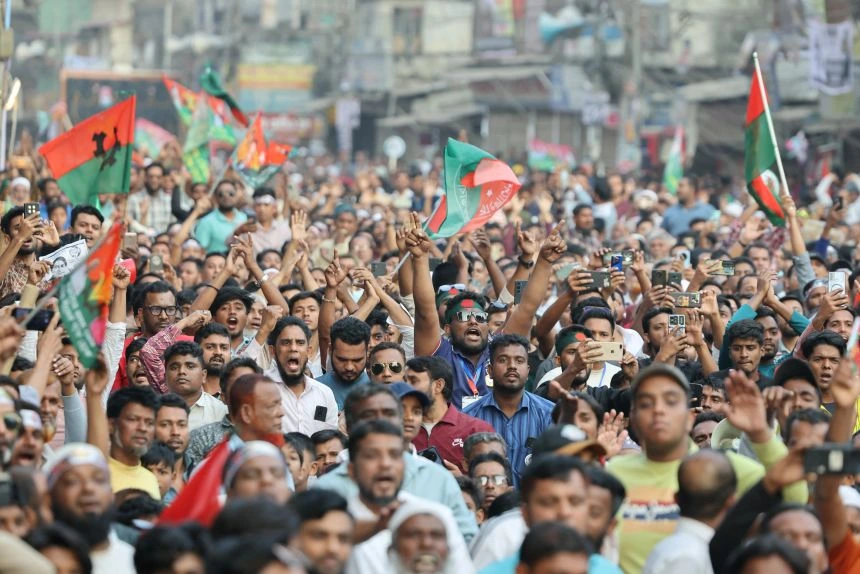
DHAKA, Bangladesh — The Bangladesh Nationalist Party secured a decisive victory in the country’s first parliamentary election since the 2024 Gen Z-driven uprising that ousted long time premier Sheikh Hasina, local television networks reported Friday.
The vote is expected to restore political stability to Bangladesh after months of unrest and economic disruption.
The parliamentary election, held Thursday, marked a turning point for Bangladesh, the world’s second largest garment exporter with 175 million people.
Analysts and local officials said the BNP’s victory signals a shift toward a more stable political landscape, potentially reopening avenues for foreign investment and economic recovery.
“The decisive mandate provides a framework for governance that can address months of disruption,” said Anisur Rahman, senior political analyst at Dhaka based Centre for Policy Studies.
Sheikh Hasina, leader of the Awami League, ruled Bangladesh for over 15 years until she was forced into self imposed exile in India following nationwide protests led by Gen Z activists in 2024.
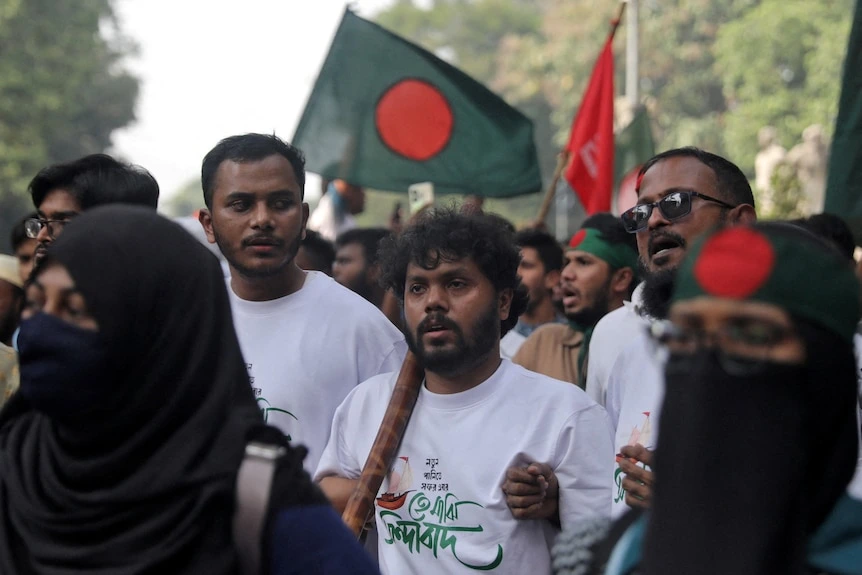
The protests, driven largely by economic grievances and youth disenfranchisement, caused widespread industrial disruption, including temporary shutdowns in the textile sector.
The election was the first in Bangladesh’s history in which Hasina’s party was barred from contesting, raising concerns about inclusivity, though it was widely regarded as more competitive than previous polls.
Tarique Rahman, 60, son of former Prime Minister Khaleda Zia, leads the BNP and will likely serve as the prime ministerial candidate.
The party campaigned on promises of financial aid for poor families, anti corruption measures, a 10-year term limit for the prime minister, and boosting foreign investment.
Dr. Sultana Karim, political science professor at Dhaka University, said the BNP win “reflects a public desire for stability and predictable governance after a period of disruptive protests and economic uncertainty.”
Meanwhile, Shafiqur Rahman, head of the Jamaat-e-Islami party, which won 68 seats, pledged to pursue “positive opposition” rather than confrontational politics, signaling potential collaboration in legislative matters.
| Party / Alliance | Seats Won | Notes |
|---|---|---|
| Bangladesh Nationalist Party (BNP) | 209 | Two-thirds majority in 300-member Jatiya Sangsad |
| Jamaat-e-Islami-led Alliance | 68 | Main opposition, emphasizes constructive politics |
| National Citizen Party (NCP) | 5 | Youth-led, instrumental in 2024 uprising |
| Total Candidates | 2,000+ | Including independents, record 50 parties contested |
| Voter Turnout | ~60% | Up from 42% in 2024 election |
“I am hopeful the new government can stabilize the economy and improve living conditions for ordinary Bangladeshis,” said Farhana Chowdhury, a garment industry worker in Dhaka.
Political commentator Kamal Hossain added, “This election sets a precedent for competitive politics in Bangladesh, even in the absence of the Awami League.”
Sheikh Hasina, now in exile, denounced the election as a “carefully planned farce” and called for its cancellation. She urged the restoration of voting rights under a neutral caretaker government.
The BNP led government faces immediate challenges in rebuilding diplomatic ties, particularly with India, and managing China’s expanding influence in the region.
The constitutional reforms approved in the referendum, if implemented, could introduce a neutral interim government for future elections.
Restructure parliament into a bicameral system, and set term limits for the prime minister, potentially reshaping Bangladesh’s political architecture.
Bangladesh’s first national election following the Gen Z uprising resulted in a historic landslide for the BNP, establishing a strong parliamentary majority.
While Sheikh Hasina’s supporters reject the legitimacy of the vote, analysts said the results mark a new chapter in the country’s political and economic recovery, with implications for regional stability and foreign engagement.
NOTE! This article was generated with the support of AI and compiled by professionals from multiple reliable sources, including official statements, press releases, and verified media coverage. For more information, please see our T&C.


