
SUMMARY
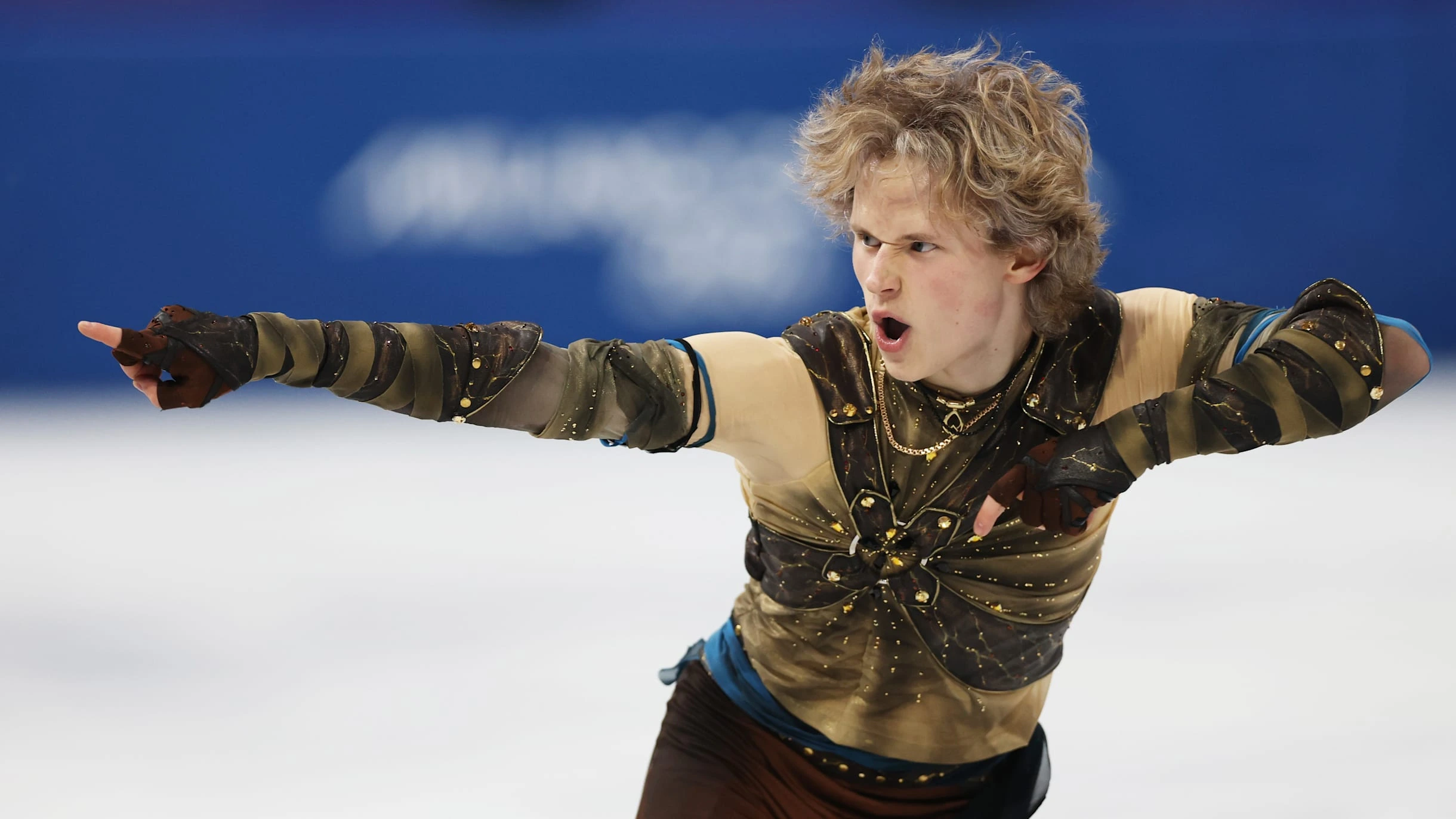
- The short program will establish early rankings in the men’s figure skating Winter Olympics event.
- Technical execution and component scores remain decisive in separating closely matched contenders.
- Coaches and officials say early placement strongly influences free skate strategy and medal outcomes.
MILAN — The men’s figure skating Winter Olympics competition enters a decisive phase this week as athletes finalize preparations for the short program, the pivotal opening segment that will shape medal contention at the 2026 Winter Olympics in Italy.
Practice sessions concluding Wednesday revealed tightening technical margins and strategic adjustments ahead of official scoring rounds.
The men’s figure skating Winter Olympics event traditionally compresses years of preparation into two programs scored over several days.
The short program carries outsized importance because it determines starting order and psychological momentum entering the free skate.
With elite skaters attempting quadruple jumps alongside precise choreography, even minor execution errors can significantly alter standings.
At the Olympic rink in northern Italy, final rehearsals this week focused on refining jump consistency, spin levels and transitions.
Athletes adjusted opening combinations and timing to maximize scoring potential under judging criteria established by the International Skating Union.
Olympic men’s figure skating has evolved sharply over the past two decades, driven by the introduction and standardization of quadruple jumps.
At the 2010 Vancouver Games, only a handful of competitors attempted quads in the short program.
By contrast, most leading contenders now integrate at least one quad into the short program and multiple in the free skate.
The ISU judging system awards points based on base value and Grades of Execution, alongside program components such as skating skills and interpretation.
According to ISU technical rules, the short program includes a required axel jump, a solo jump and a combination jump, plus spins and step sequences. These elements compress technical risk into less than three minutes.
Olympic history shows early placement matters. At recent Winter Games, most gold medalists ranked in the top three after the short program, reflecting how limited time remains to overcome deficits.
Kim Jae-youl, president of the International Skating Union, said Olympic scoring emphasizes consistency as much as difficulty.
“The short program is designed to reward balance between technical precision and overall performance quality,” Kim said in an ISU briefing.
“Athletes must manage risk carefully because mistakes can have amplified consequences in a short format.”
Kit McConnell, sports director of the International Olympic Committee, said Olympic pressure distinguishes the competition from other international events.
“The Olympic environment creates unique intensity,” McConnell said. “Athletes are not only competing against others but also against expectations shaped over four years.”
Sports scientist Craig Horswill, a performance physiologist who has studied Olympic athletes, said fatigue management becomes critical across both programs.
“Explosive strength, neuromuscular timing and recovery between sessions directly affect execution quality,” Horswill said. “Even slight declines in precision can influence scoring outcomes.”
Mark Hanretty, an Olympic commentator and former international competitor, said early Olympic performances often reshape expectations.
“A clean short program forces competitors to reconsider strategy immediately,” Hanretty said during a broadcast analysis. “It can change how aggressively athletes approach the free skate.”
Italian skating federation official Fabio Bianchetti said hosting the Olympics adds another layer of scrutiny.
“Competing at home brings pride and pressure,” Bianchetti said. “Athletes must remain focused on execution rather than atmosphere.”
Athletes themselves have emphasized preparation and composure. U.S. skater Ilia Malinin said in a team statement that maintaining consistency remains his primary objective.
“The goal is to deliver what we’ve trained,” Malinin said. “The Olympic stage doesn’t change the fundamentals.”
The men’s figure skating Winter Olympics short program will narrow the competitive field before the free skate determines medal placements later in the week.
Judges will continue applying standardized criteria to evaluate both technical difficulty and artistic execution.
Final standings will reflect cumulative scoring, reinforcing the importance of consistency across both programs.
As the men’s figure skating Winter Olympics competition shifts from preparation to performance, early results will define strategic decisions and medal prospects.
The short program’s compressed format ensures that precision, composure and technical execution remain decisive factors in determining Olympic champions.
NOTE! This article was generated with the support of AI and compiled by professionals from multiple reliable sources, including official statements, press releases, and verified media coverage. For more information, please see our T&C.


