
KEY POINTS
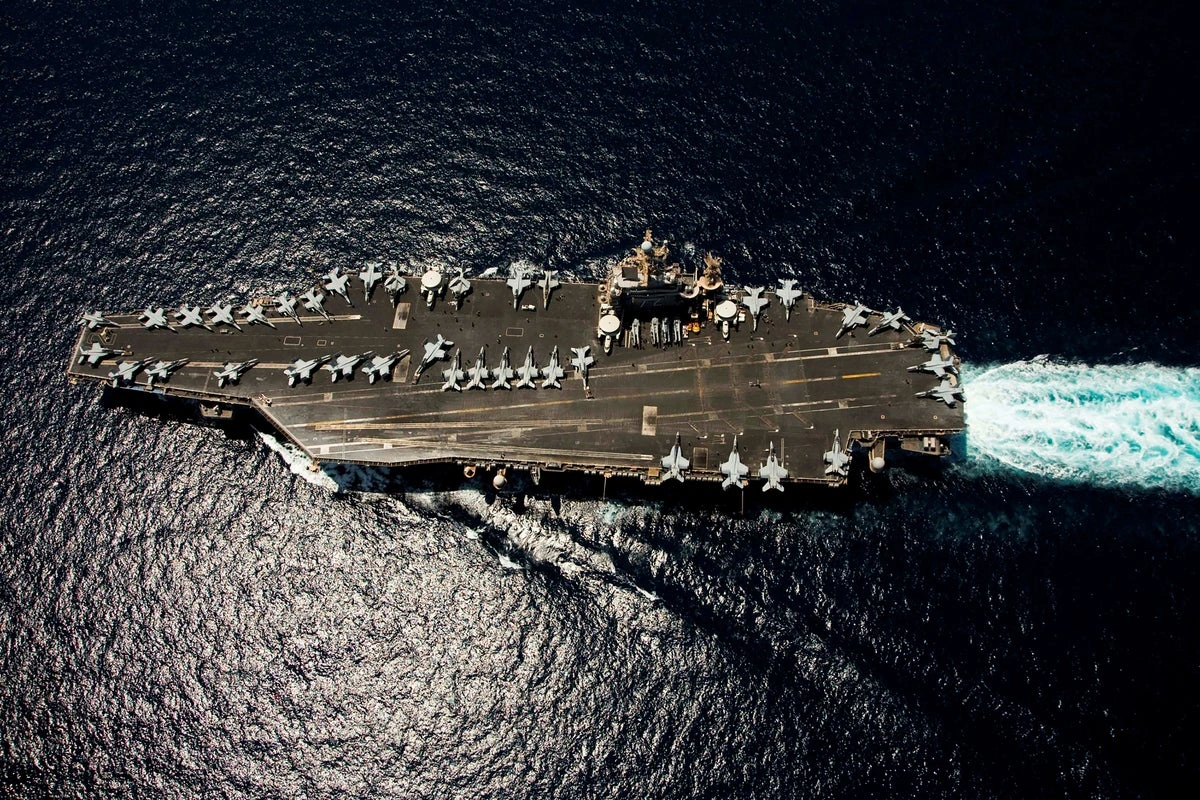
- An F-35 fighter jet from the US Abraham Lincoln shot down an Iranian drone flying “with unclear intent” toward the carrier.
- Iran has requested nuclear talks with the US be moved from Istanbul to Oman and held bilaterally, Axios reported.
- Oil futures rose over $1 per barrel following the drone’s downing, reflecting market sensitivity to Middle East security risks.
WASHINGTON — The US military shot down an Iranian Shahed-139 drone approaching the Abraham Lincoln aircraft carrier in the Arabian Sea on Tuesday, an incident that heightened regional tensions just days before planned nuclear negotiations between Washington and Tehran, officials said.
Iranian boats also reportedly harassed a US flagged tanker in the Strait of Hormuz, according to the US Navy.
The incident underscores the fragile security situation in the Gulf as diplomatic efforts to restart nuclear talks between the United States and Iran are underway.
The US military described the drone as approaching the aircraft carrier aggressively, prompting defensive action to protect personnel and assets.
Tensions between Iran and the US in the Persian Gulf have escalated since the US withdrawal from the 2015 Joint Comprehensive Plan of Action and the reinstatement of sanctions on Tehran.
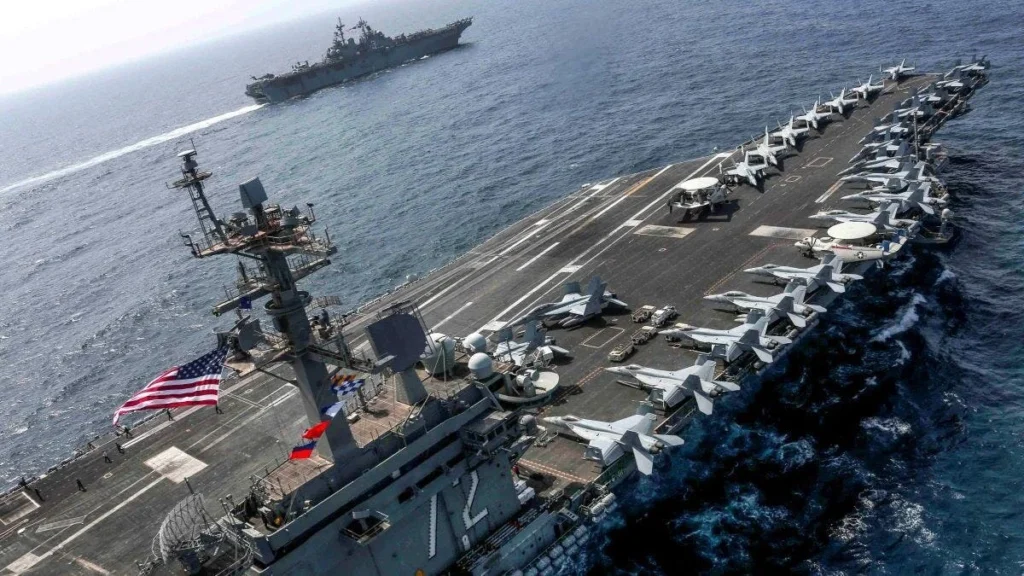
The Abraham Lincoln carrier strike group has been operating in the region amid threats from Iranian forces, who have previously targeted commercial shipping and US military vessels.
The upcoming nuclear discussions are aimed at reviving an agreement that curbs Iran’s nuclear program in exchange for sanctions relief.
Iran has proposed moving the talks to Oman and holding them in a bilateral format, potentially signaling a shift in diplomatic strategy.
“The downing of the drone demonstrates the high alert posture of US forces in the Gulf,” said Rear Admiral Samuel Paparo, a retired US Navy commander and Middle East security analyst.
“Even minor provocations can have outsized effects on regional stability and global energy markets.”
Dr. Fatemeh Sadeghi, an associate professor of international relations at the University of Tehran, noted, “Iran’s request to move talks to Oman suggests a preference for a more controlled environment and direct engagement, avoiding third party intermediaries.”
Captain Tim Hawkins, spokesperson for US Central Command, said, “The F-35C fighter jet engaged the drone in self-defense to protect the aircraft carrier and personnel on board.”
A tanker captain in the Strait of Hormuz, who declined to be named, reported that Iranian speedboats approached within 500 meters but did not attempt a collision.
Diplomatic efforts remain underway, with officials from both nations assessing the venue and format for talks. Security analysts caution that further incidents could complicate negotiations and elevate oil market volatility.
The US Iran drone confrontation and the shift in nuclear dialogue venue reflect the delicate balance of diplomacy and deterrence in the Gulf.
Both events carry implications for regional security, energy markets, and the broader trajectory of US Iran relations in 2026.
NOTE! This article was generated with the support of AI and compiled by professionals from multiple reliable sources, including official statements, press releases, and verified media coverage. For more information, please see our T&C.


