
KEY POINTS
- Kp index at five expands viewing southward
- Coronal hole stream raises geomagnetic storm odds
- Best viewing between ten pm and two am
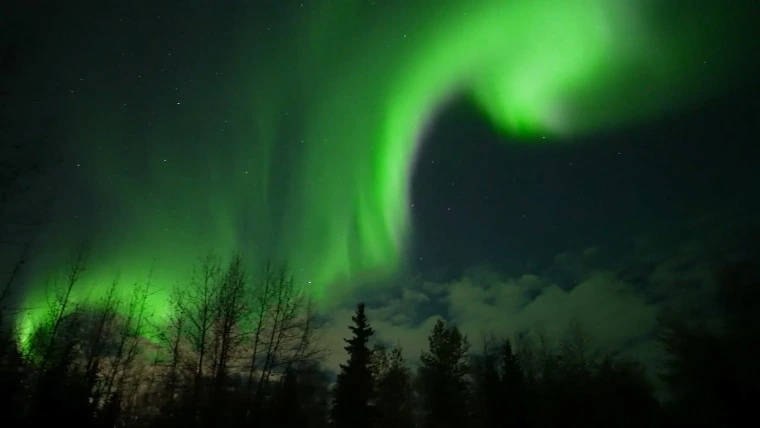
A Northern Lights Forecast issued by NOAA shows aurora borealis visibility Saturday and Sunday across parts of Canada and ten northern US states as solar activity pushes the Kp index to five.
The Northern Lights Forecast matters for travelers, utilities and researchers because geomagnetic disturbances can disrupt satellites and power grids while drawing millions outdoors for rare, low latitude aurora borealis displays.
Local tourism offices expect short term spikes in lodging searches and nighttime park access requests this weekend across border regions and towns nearby areas.
NOAA said a large, positive polarity coronal hole is funneling high speed solar wind toward Earth. Such openings allow charged particles to escape the sun more freely, intensifying auroral ovals beyond polar regions.
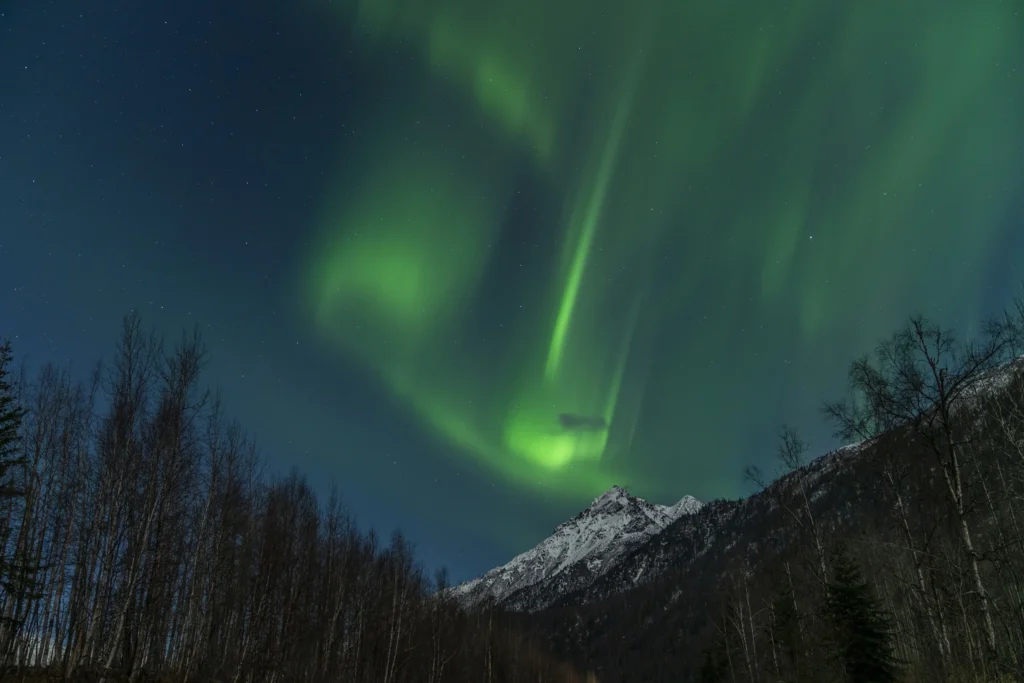
Space weather forecasters said the Kp index of five suggests minor to moderate geomagnetic storm conditions. That level often produces visible curtains, arcs and pulsations, though cloud cover, light pollution and moon phase remain decisive.
Peak hours: 10 pm to two am
Camera tips: wide lens, low aperture
Smartphone mode: night or pro
Tripod improves clarity and exposure
A NOAA space weather scientist said auroras depend on particle density and magnetic alignment, adding that rural skies and patience matter.
National park rangers reported increased weekend inquiries from campers and photographers.
Forecasters will update the Northern Lights Forecast as solar wind speeds change, with alerts possible if conditions intensify. Agencies advise monitoring official dashboards and local weather through Sunday night.
The Northern Lights Forecast underscores how dynamic space weather shapes daily life, from navigation systems to weekend plans, while expanding public awareness of the science behind the aurora borealis.
In my analysis, expanding aurora visibility reflects intensifying solar cycles reshaping space weather risk models and tourism microeconomics.
I predict routine low latitude aurora alerts will become standardized data feeds. This affects travelers and utilities alike. Track NOAA Kp indices.
NOTE! This report was compiled from multiple reliable sources, including official statements, press releases, and verified media coverage.
Adnan Rasheed, Lead Research Analyst


